As a supplier of cabinet sensor switches, I often get asked whether these switches can be used in metal cabinets. This is a valid question, as the unique properties of metal can potentially interfere with the functionality of sensor switches. In this blog post, I’ll explore the feasibility of using cabinet sensor switches in metal cabinets, discussing the challenges, solutions, and benefits of doing so. Cabinet Sensor Switch
Understanding Cabinet Sensor Switches
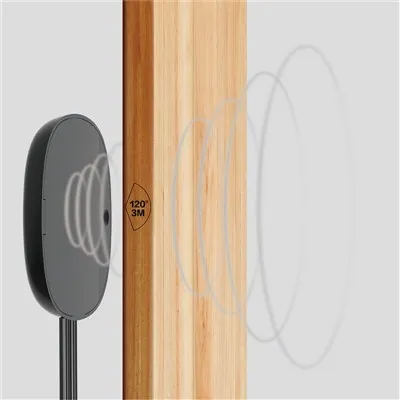
Before delving into the compatibility of cabinet sensor switches with metal cabinets, it’s essential to understand how these switches work. Cabinet sensor switches are designed to detect the presence or movement of an object within a certain range. They use various technologies, such as infrared, ultrasonic, or capacitive sensing, to trigger the switch and turn on or off the connected device, such as a light or a fan.
These switches offer several advantages over traditional mechanical switches. They are more convenient, as they can be activated without physical contact, which is especially useful in situations where hands are dirty or full. They also provide a more modern and sleek look to cabinets, enhancing the overall aesthetic appeal.
Challenges of Using Sensor Switches in Metal Cabinets
The main challenge of using cabinet sensor switches in metal cabinets is the potential for interference. Metal is a good conductor of electricity and can reflect electromagnetic waves, which are used by many sensor switches to detect objects. This reflection can cause false triggers or prevent the switch from detecting objects altogether.
Infrared sensors, for example, emit infrared light and measure the reflection to detect objects. In a metal cabinet, the infrared light can be reflected off the metal surfaces, creating a confusing pattern of reflections that the sensor may misinterpret as an object. Ultrasonic sensors, which use sound waves to detect objects, can also be affected by metal. The metal surfaces can absorb or reflect the sound waves, reducing the sensor’s effectiveness.
Capacitive sensors, which detect changes in capacitance caused by the presence of an object, can also face challenges in metal cabinets. The metal cabinet itself can act as a large conductor, altering the capacitance in the area around the sensor and potentially causing false triggers.
Solutions to Overcome Interference
Despite these challenges, there are several solutions that can help overcome the interference issues and make cabinet sensor switches work effectively in metal cabinets.
1. Sensor Placement
Proper sensor placement is crucial to minimize interference. The sensor should be installed in a location where it has a clear line of sight to the area where objects are expected to be detected. Avoid placing the sensor too close to metal surfaces or in areas where there are a lot of reflections. For example, if using an infrared sensor, it should be installed at an angle that minimizes the reflection off the metal cabinet walls.
2. Shielding
Shielding can be used to protect the sensor from electromagnetic interference. This can be done by using a metal shield around the sensor or by using a sensor that is already shielded. The shield helps to block the unwanted electromagnetic waves from the metal cabinet, allowing the sensor to function more accurately.
3. Adjusting Sensor Settings
Many cabinet sensor switches allow for adjustment of the sensitivity and detection range. By adjusting these settings, it’s possible to optimize the sensor’s performance in a metal cabinet. For example, reducing the sensitivity can help to avoid false triggers caused by reflections, while increasing the detection range can ensure that the sensor can detect objects even in the presence of some interference.
4. Choosing the Right Sensor Technology
Some sensor technologies are more suitable for use in metal cabinets than others. For example, capacitive sensors that are specifically designed for use in metal environments can be more effective at detecting objects without being affected by the metal. These sensors are often equipped with advanced algorithms that can compensate for the interference caused by the metal.
Benefits of Using Sensor Switches in Metal Cabinets
Despite the challenges, there are several benefits to using cabinet sensor switches in metal cabinets.
1. Convenience
Sensor switches provide a high level of convenience, especially in metal cabinets. They can be activated without the need to open the cabinet door or touch a switch, which is particularly useful in industrial or commercial settings where hands may be dirty or occupied.
2. Energy Efficiency
Sensor switches can help to save energy by automatically turning off the connected device when it’s not needed. In a metal cabinet, this can be especially beneficial, as the enclosed space can trap heat and cause the device to consume more energy.
3. Safety
Sensor switches can enhance safety in metal cabinets. For example, in a cabinet that contains electrical equipment, a sensor switch can be used to turn off the power when the cabinet door is opened, reducing the risk of electrical shock.
4. Aesthetics
Sensor switches can give metal cabinets a more modern and sleek look. They eliminate the need for traditional mechanical switches, which can be bulky and unattractive.
Case Studies
To illustrate the effectiveness of using cabinet sensor switches in metal cabinets, let’s look at a few case studies.
Case Study 1: Industrial Storage Cabinet
A manufacturing company was using metal storage cabinets to store tools and equipment. They wanted to install lights in the cabinets for better visibility but were concerned about the interference caused by the metal. After consulting with us, they decided to use capacitive sensor switches that were specifically designed for use in metal environments. The sensors were installed at the top of the cabinets, and the sensitivity was adjusted to avoid false triggers. The result was a reliable and energy-efficient lighting system that provided convenient access to the stored items.
Case Study 2: Commercial Display Cabinet
A retail store was using metal display cabinets to showcase their products. They wanted to enhance the customer experience by installing lights that would turn on when the customer approached the cabinet. After considering the potential interference issues, they chose to use infrared sensor switches with proper shielding. The sensors were installed at the front of the cabinets, and the detection range was adjusted to ensure that the lights would turn on when a customer was within a reasonable distance. The installation was a success, and the store reported an increase in customer engagement.
Conclusion
In conclusion, while there are challenges associated with using cabinet sensor switches in metal cabinets, these challenges can be overcome with the right solutions. By carefully considering sensor placement, using shielding, adjusting sensor settings, and choosing the right sensor technology, it’s possible to use cabinet sensor switches effectively in metal cabinets. The benefits of using these switches, including convenience, energy efficiency, safety, and aesthetics, make them a worthwhile investment for both industrial and commercial applications.
Cabinet LED Driver If you’re interested in using cabinet sensor switches in your metal cabinets, I encourage you to contact us for more information. Our team of experts can help you choose the right sensor switch for your specific needs and provide guidance on installation and setup. We’re committed to providing high-quality products and excellent customer service, and we look forward to working with you.
References
- "Sensor Technology Handbook" by John W. Gardner
- "Electromagnetic Compatibility Engineering" by Henry W. Ott
- Industry reports on cabinet sensor switch applications in metal environments
Dongguan Lanbaoli Intelligent Technology Co., Ltd.
As one of the most professional cabinet sensor switch manufacturers and suppliers in China, we’re featured by quality products and low price. Welcome to buy advanced cabinet sensor switch for sale here from our factory. If you have any enquiry about quotation, please feel free to email us.
Address: 10th Floor, Building 32, Golden Town, No. 7 Technology Avenue, Houjie Town, Dongguan City, Guangdong Province
E-mail: anna@lampow.cn
WebSite: https://www.lblsensor.com/
