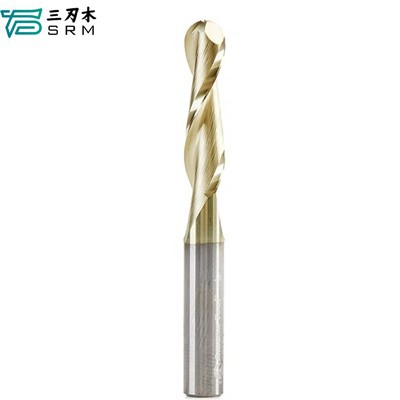
Tungsten Carbide Tipped (TCT) router bits are essential tools in the woodworking and laminate processing industries. As a supplier of TCT router bits, I’ve witnessed firsthand how these precision tools can make or break a laminate processing project. In this blog post, I’ll delve into how TCT router bits handle laminates, exploring their benefits, techniques for optimal use, and key considerations when working with laminates. TCT Router Bits
Understanding Laminates and Their Challenges
Before we dive into how TCT router bits handle laminates, it’s important to understand laminates themselves. Laminates are composite materials created by bonding layers of materials together, typically with an outer layer of decorative paper or film and a core of substrate material such as particleboard or MDF. They are popular for their durability, affordability, and wide range of design options.
However, laminates present unique challenges when it comes to machining. The outer layer is often hard and brittle, prone to chipping, delamination, and burn marks if not cut properly. The core can also vary in density and composition, which can affect the cutting performance. Additionally, laminates often have a thin cross-section, making them more susceptible to damage during machining.
Benefits of Using TCT Router Bits for Laminates
TCT router bits are specifically designed to overcome the challenges associated with machining laminates. Here are some of the key benefits of using TCT router bits for laminate processing:
- Sharpness and Durability: TCT router bits are tipped with tungsten carbide, a material known for its exceptional hardness and wear resistance. This allows the bits to maintain their sharp cutting edges for longer periods, even when cutting through hard laminates. As a result, you can achieve cleaner, smoother cuts with less chipping and tear-out.
- Heat Resistance: Laminates can generate a significant amount of heat during machining, which can cause the outer layer to melt or burn. TCT router bits are designed to dissipate heat quickly, reducing the risk of heat damage to the laminate. This helps to maintain the quality of the cut and prevent unsightly burn marks.
- Versatility: TCT router bits come in a wide range of shapes and sizes, making them suitable for a variety of laminate processing applications. Whether you’re cutting straight edges, creating decorative profiles, or making intricate cuts, there’s a TCT router bit that can meet your needs.
- Precision: TCT router bits are manufactured to high precision standards, ensuring accurate and consistent cuts. This is especially important when working with laminates, where even small deviations can result in a poor fit or a less-than-perfect finish.
Techniques for Using TCT Router Bits with Laminates
To get the most out of your TCT router bits when working with laminates, it’s important to follow some best practices. Here are some techniques for using TCT router bits with laminates:
- Choose the Right Bit: Selecting the right TCT router bit for the job is crucial. Consider the type of laminate you’re working with, the thickness of the material, and the desired cut. For example, a straight bit may be suitable for cutting straight edges, while a roundover bit can be used to create decorative edges. Consult the manufacturer’s recommendations for the best bit for your specific application.
- Set the Right Speed and Feed Rate: The speed and feed rate at which you run your router can have a significant impact on the quality of the cut. Generally, a slower feed rate and a higher speed are recommended when working with laminates to minimize chipping and tear-out. However, the exact speed and feed rate will depend on the type of bit, the material, and the machine you’re using. Consult the manufacturer’s guidelines for the recommended settings.
- Use a Backer Board: A backer board is a piece of scrap material that is placed behind the laminate during cutting. This helps to support the material and prevent chipping and tear-out on the backside. Make sure the backer board is flat and smooth, and that it extends beyond the edge of the laminate by at least 1/2 inch.
- Score the Surface: Scoring the surface of the laminate before making a full cut can help to prevent chipping and tear-out. Use a sharp utility knife or a scoring cutter to make a shallow cut along the cutting line. This will help to break the surface tension of the laminate and reduce the risk of damage during the full cut.
- Keep the Bit Clean: Keeping the TCT router bit clean is essential for optimal performance. Use a brush or a compressed air gun to remove any debris or dust from the bit after each use. This will help to prevent the buildup of material on the bit, which can affect the cutting performance and cause premature wear.
- Replace the Bit When Needed: Even the highest-quality TCT router bits will eventually wear out. It’s important to replace the bit when it starts to show signs of wear, such as dullness, chipping, or uneven cutting. Using a worn-out bit can not only result in a poor-quality cut but also increase the risk of damage to the laminate and the router.
Key Considerations when Working with TCT Router Bits and Laminates
In addition to following the techniques outlined above, there are some key considerations to keep in mind when working with TCT router bits and laminates:
- Safety First: Always wear appropriate safety gear, such as safety glasses, ear protection, and a dust mask, when using a router. Follow all safety guidelines and procedures provided by the manufacturer.
- Machine Maintenance: Regular maintenance of your router is essential for optimal performance. Keep the router clean, lubricated, and properly adjusted. Check the router bits regularly for wear and damage, and replace them as needed.
- Material Quality: The quality of the laminate can have a significant impact on the cutting performance. Choose high-quality laminates that are suitable for your application. Avoid using laminates that are warped, cracked, or have other defects.
- Test Cuts: Before making a full cut on your laminate, it’s a good idea to make a test cut on a scrap piece of material. This will allow you to adjust the speed, feed rate, and other settings as needed to achieve the best results.
- Storage: Proper storage of your TCT router bits is important to prevent damage and ensure their longevity. Store the bits in a dry, clean place, and protect them from moisture, dust, and other contaminants. Use a bit case or a storage rack to keep the bits organized and protected.
Conclusion

TCT router bits are an excellent choice for handling laminates. Their sharpness, durability, heat resistance, versatility, and precision make them ideal for a variety of laminate processing applications. By following the techniques and considerations outlined in this blog post, you can achieve clean, smooth cuts with minimal chipping and tear-out, and ensure the best possible results for your laminate projects.
Profile Router Bit If you’re in the market for high-quality TCT router bits for your laminate processing needs, I encourage you to reach out to me. As a trusted supplier of TCT router bits, I can provide you with the right tools and expertise to help you achieve your goals. Whether you’re a professional woodworker or a DIY enthusiast, I’m here to help you get the most out of your TCT router bits. Contact me to discuss your requirements and start a conversation about how we can work together.
References
- Woodworking Machinery and Tool Association International
- Handbook of Wood Machining and Wood-Based Product Manufacturing
- American Wood Council
Huizhou Feisite Precision Tools Co., Ltd.
Huizhou Feisite Precision Tools Co., Ltd. is one of the most professional tct router bits manufacturers and suppliers in China, featured by quality products and good price. Please rest assured to buy tct router bits in stock here and get quotation from our factory. Customized orders are welcome.
Address: 1/B, 3/F. Huiyang Eco-Tech Innovation Park, Liandong U Valley, Sanhe St, Huiyang Dist, Huizhou GuangDong Prov. China
E-mail: Peggy@feisitool.com
WebSite: https://www.feisitool.com/
