Hey everyone, Sarah here from your go-to food additive supplier – yep, the one that’s actually got real folks answering your questions, not a robot spamming generic replies. Lately, I’ve been getting so many DMs and calls from bakery owners, sauce makers, and even small-batch snack brand people asking the same thing: “How the heck do you guys actually store all these food additives? I’m struggling with my own warehouse and don’t wanna mess up my ingredients.” Fair question! Food additives aren’t just random powders sitting on a shelf – trust me, we’ve messed up a few times early on and learned the hard way. Today I’m breaking this down like we’re grabbing a coffee after work, no stuffy jargon, just real talk from someone who’s handled thousands of lbs of stuff like citric acid, lecithin, and that weird stabilizer you asked about last week. Food Additive
First off, let’s cut to the chase: not all additives are created equal. That’s why our storage setup isn’t some one-size-fits-all closet we throw everything into. Remember when I mentioned that time we had a delivery of natural vanilla extract emulsifier that clumped so bad we had to toss half of it? Turns out it was stored next to a pallet of moisture-loving soy lecithin, which leached tiny amounts of water vapor over a week. Oops. So first rule: categorize like your inventory manager’s sanity depends on it (it does, tbh). We split stuff into three main groups, and I’ll explain why each matters.
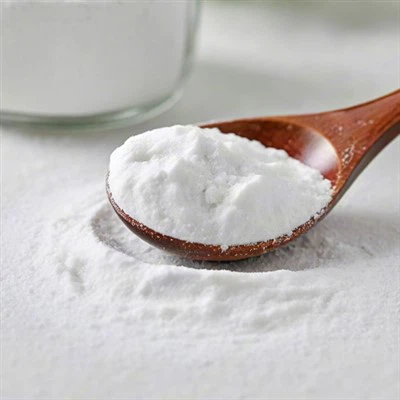
First group: dry, powdered additives – think citric acid, calcium propionate, food-grade enzymes, anti-caking agents like silicon dioxide. These are the most common ones our small-business customers order, right? And they’re also the pickiest about moisture. Most of you probably know this, but even a little humidity can turn a perfect fine powder into a rock-hard block that’s useless. So for our dry storage area? It’s kept at a solid 55% max humidity, and temp stays between 60-70°F – not too hot, not too cold, like a well-organized bedroom. We use these industrial-grade desiccant bags in every pallet shrink wrap, but not the cheap ones you get at the dollar store – those don’t last two weeks. We test humidity every single morning before the warehouse crew starts, no skipping that step. Last quarter, we had a new temp gauge that glitched for 12 hours, and we caught it only because one of the guys was doing a random check. Saved like $2k worth of enzyme powder that would’ve gone bad. Also, these dry additives need to be off the floor – no pallets sitting directly on concrete. Even if you don’t see a puddle, concrete wicks moisture up like a sponge. We use wooden pallets with a plastic liner on top, or those plastic pallet decks that don’t absorb anything. Small business owners, listen up – if you’re storing your own additives at home or in a tiny back room, a cheap dehumidifier and some plastic storage bins with tight lids work way better than you’d think. We use the same bins for bulk orders that we send to customers who need less than a pallet, so that’s a win-win.
Second group: liquid additives – stuff like natural colorants, flavor emulsifiers, acid blends, liquid lecithin. These are way trickier because they’re either sensitive to temperature swings or prone to separating if stored wrong. For example, one of our best sellers is a red beet juice colorant that goes brown if it’s exposed to temps over 80°F for more than a week. We keep these in insulated tanks, not just regular metal ones, and we have temp sensors that ping our phones if it goes above 75°F. Also, liquids need to be rotated – first in, first out, always. We used to have a pallet of vanilla emulsifier that was stuck in the back of a storage bay for three months, and when we opened it, it had a weird layer of sludge at the bottom. Turned out the sediment settled and never mixed back properly because it wasn’t moved around. Now we assign each batch a color-coded sticker – green for new, yellow for in use, red for about to expire – so no one grabs the old stuff by mistake. For you smaller operators who store liquids in drums, roll them a little every two weeks, and keep them in a shaded area, not next to a furnace or near a window that gets direct sun. I once had a café customer call panicking because their liquid butter flavor turned sour – they had it sitting on their loading dock in the summer heat. Yeah, that’ll do it.
Third group: specialty additives – these are the ones you don’t order every day, like antioxidants for frozen foods, preservatives for plant-based meats, enzyme preparations for cheese making. These are often the most sensitive because they’re natural or have active biological components. For example, a lot of our probiotic-based preservatives need to be stored cold – not frozen, just cold, like a fridge set to 35-40°F. Freezing kills the good bacteria, and room temp makes them die off in a month instead of six. We have a separate cold storage room just for these, and we don’t mix them with anything else that might have odors (trust me, probiotics absorb weird smells fast – we had one batch near a pallet of garlic powder once, and it tasted like garlic in testing. Not ideal for a neutral preservative). For small businesses that need these but don’t have a cold room, we ship them with insulated coolers and ice packs, and we tell them to move them to their fridge within 24 hours. I always add a little sticky note to the order saying “DO NOT FREEZE” because everyone thinks cold means freezer, and that’s the mistake so many make.
Now, let’s talk about common mistakes I see people make all the time, because we’ve made most of them. First, ignoring expiration dates – but not just the printed one. A lot of additives have a “best if used by” date, not a safety date, but storing them wrong makes that date way earlier. For example, citric acid can last 2 years if stored correctly, but only 6 months if it’s in a humid space. Second, mixing different additives that react with each other. We once had a customer mix a preservative with a colorant in the same storage bin, and it turned into a goop that couldn’t be used. Now we have a big sign in our warehouse that says “NO MIXING ALLERGENS OR REACTIVE ADDITIVES” – we even had to add a second line after a guy tried storing vanilla next to peanut flour, which was an allergen mix-up. Third, not labeling things clearly. I can’t tell you how many times we’ve had a new intern grab a bag of anti-caking agent instead of citric acid because the label was smudged. Now every bag we send has a color-coded label, batch number, storage instructions, and contact info for our team if there’s an issue.
Another big one: packaging matters more than you think. We used to use regular poly bags for powdered additives until we had a shipment get rained on during a delivery – the bags weren’t moisture-proof. Now we use heavy-duty, food-grade poly bags with an inner layer of aluminum for dry and liquid additives that need extra protection. For bulk pallets, we use shrink wrap that’s been treated to block moisture and UV light – UV is bad, even for dry additives! It can break down some components over time. Small business owners, if you’re repackaging additives from bulk bags, make sure you use food-grade, airtight containers, not just the plastic buckets you had for paint or something. Paint residue will mess up your food additive, even if you wash it. We learned that one the hard way too – a customer sent back a batch of lecithin that tasted like old latex because they used repurposed paint buckets. Never again.
Wait, what about pests? Oh my god, pest control is non-negotiable. We have a full-time pest guy who comes in every two weeks, not just when we see a mouse. We seal every crack in the warehouse floor, keep food (we don’t store actual food here, just additives) nowhere near the storage area, and we use sticky traps instead of pesticides because we don’t want chemicals getting near the additives. Mice and bugs love grain-based additives, right? Like soy lecithin or wheat-based enzymes – they’ll chew through any packaging to get to them. Last year, we found a mouse in a pallet of enzymes and had to toss the whole batch – that was a $3k mistake because we skipped a pest check week. Don’t do that. If you’re a small operation, keep your storage area clean, wipe up any spills immediately, and don’t let cardboard boxes sit on the floor for weeks. Cardboard is like a pest hotel.
Now, I know a lot of you are probably thinking, “But I’m just a small batch maker, I don’t have a huge warehouse like yours.” That’s why all of this applies to you too, even on a smaller scale. You don’t need a cold room the size of a gym – a mini fridge works for cold-sensitive stuff. You don’t need industrial desiccants – a few of those gel packets (the ones you get with new shoes, just make sure they’re food-safe) work for small containers. The key is consistency, not fancy gear. We started in a 10x15ft garage, so I get it – we didn’t have the budget for fancy stuff at first. We used a dehumidifier we bought from Walmart, plastic bins from Target, and a old fridge we dragged in from someone’s curb. It worked until we grew, and it’ll work for you too, as long as you follow the basic rules.
At the end of the day, storing food additives isn’t rocket science, but it is attention to detail. Skip the random shortcuts, label everything, keep moisture and temp in check, and don’t mix stuff you shouldn’t. If you mess up, that’s okay – we’ve all been there, just don’t let it turn into a habit.

Oh, and before I go – if you’re struggling with your own storage, or you need help picking the right additives for your recipe, or even just have a random question about a specific product, hit us up. We’re not the kind of supplier that only cares about big orders – we love helping small businesses, home bakers, and startup snack brands get this right. No stiff sales pitches, no automated replies, just real people who know their stuff. Reach out to our team to chat through your needs, whether you need a 5lb bag of citric acid or a bulk pallet of that stabilizer you were testing last month. We’re here to help, not just sell you something.
Food Additive References:
- Food and Drug Administration. (2022). Storage and Handling of Food Additives for Commercial Use. FDA Food Safety and Inspection Service.
- Institute of Food Technologists. (2021). Best Practices for Storing Specialty Food Additives and Ingredients. IFT Consumer Safety Committee.
- National Food Storage Association. (2020). Humidity and Temperature Control for Dry Food Ingredient Storage. NFSA Technical Bulletin No. 17.
- World Health Organization. (2019). Storage Guidelines for Liquid and Perishable Food Additives. WHO Food Additives Series, No. 78.
Shandong New Weitai Biotechnology Ltd
We are one of the most experienced food additive manufacturers in China, featured by quality products and good price. Please rest assured to buy high-grade food additive for sale here from our factory. We also accept customized orders.
Address: South Area Of High-Tech Chemical Industrial Park Dongguantun Town, Juye County, Heze City, Shandong Province, China
E-mail: 13012659047@163.com
WebSite: https://www.nwt-bio.com/
