If you’ve ever shopped for clamshell packaging for retail products, disposable food containers, or even thin-wall automotive interior components, you’ve almost certainly held a part made on a four-station thermoforming machine. As a supplier of these systems, the question I field most often from prospective buyers—whether they’re small batch packagers or large consumer goods manufacturers—isn’t just “how does this machine work?” It’s “what’s the waste rate?” And the answer isn’t a single number. It depends on variables I’ve seen shift wildly from job to job, plant to plant, even on the same machine running the same material two weeks in a row. Let’s break this down honestly, from a vendor who installs these machines on shop floors every month, not a textbook writer stuck in a lab. Four Station Thermoforming Machine

First, let’s ground ourselves on what a four-station thermoformer actually does, because that context is critical to understanding waste. Unlike single-station machines that load a sheet, form one part, and eject it (wasting a lot of time and material in between), a four-station machine runs in a continuous loop, moving through four distinct, sequential stations: material loading and preheating, forming the part, trimming the excess plastic (called trim scrap), and stacking or unloading finished parts. It’s the workhorse of mid-volume thermoforming, right between low-output manual thermoformers and high-end multi-station rotary systems for 24/7 production. The loop means less downtime than older machines, but waste still creeps in at every stage.
To pin down realistic waste rates, I’ll pull data from the last 18 months of installs and audits I’ve done for clients across food packaging, medical device packaging, and consumer goods. The baseline average for a properly calibrated, well-maintained four-station machine running a standard job (PET or PP, the most common thermoplastics) is between 2% and 8% total waste. But that’s a range so wide that it’s useless unless I explain what pushes it to 2% versus 8%—and what makes some jobs hit 15% or more, which is a red flag.
Let’s start with the low end, the 2% to 4% that top operators hit consistently. This is the sweet spot for jobs with tight specifications, long production runs, and a skilled team running the machine. For example, a recent client that makes 100,000 PET clamshells for grocery store berries runs a 4-station I installed last year, and their waste rate clocks in at 2.7%. How? They nail three key variables that most new operators mess up: material nesting, preheating consistency, and trim scrap optimization.
Material nesting is big here. The “nest” is how you arrange parts on a single sheet of plastic before it’s fed into the machine. A bad nest wastes plastic—cutting parts with gaps between them so wide that you’re using a 24-inch sheet to make 10 small parts when you could fit 12. Top operators for large runs use nesting software tailored to four-station machines, not generic software for rotary systems. The berry container client nests their parts so tightly that there’s only a 1/8-inch gap between each part edge, and they run 12 parts per 20-inch sheet, cutting sheet waste to almost nothing. Then there’s the trim scrap: the leftover plastic around each part that gets punched out. Modern four-station machines have rotary trim tools that contour to the part edge, leaving almost no excess, whereas older die-cutters leave ragged edges that add scrap. That client also runs a granulator on-site that grinds trim scrap and regrounds it into new feedstock, so 100% of their trim scrap is recycled into new material, lowering effective waste even further (though that doesn’t count the small percentage that’s lost to handling or contamination).
Now the middle of the range: 5% to 8% waste. This is where most new four-station machine users land, especially those running shorter production runs or working with materials more prone to error. For example, a small medical packaging startup I worked with last quarter runs a 4-station machine to make sterile blister packs for surgical tools. Their waste rate is hovering around 6.2% right now, and it’s not because they’re making bad parts—they’re still training their second shift. Here, the main sources of waste aren’t nesting, they’re preheating and alignment.
Thermoforming works by heating a plastic sheet to a precise temperature—too cold and it doesn’t form evenly, too hot and it sags or burns. Four-station machines have oven banks that heat the sheet as it moves through the first station, but if the oven’s heating elements are misaligned or the operator adjusts the speed mid-job, you get a sheet that’s too hot in spots. That leads to what’s called “scrap skeletons”: sheets where 10% of the parts are misformed and have to be tossed. Alignment is another factor: the forming station has to line up perfectly with the sheet’s position. If the sheet shifts even a quarter of an inch between stations, you end up with parts that are off-center, unusable, and add to waste. For shorter runs (under 5,000 parts), the nesting software’s setup time is less worth it—so operators run looser nests, adding 1% to 2% to waste just from unused sheet space. That’s a trade-off most small shops accept, because setting up a custom nest for 500 parts would take more time than it’s worth.
Then there’s the high end, the 10% to 15% waste or more that’s a sign of a problem, not normal operation. I’ve seen clients hit 18% waste on the same machine that was running at 5% just six months prior, and it’s almost always fixable. Common culprits here are old machine maintenance, poorly trained staff, or choosing the wrong four-station machine for the job. For example, a startup that made disposable food containers tried to run a four-station machine built for small, thin parts on their thicker PP containers. The machine’s oven wasn’t powerful enough to heat the 0.125-inch PP sheet evenly, leading to 12% scrap from misformed parts. They swapped to a higher-output oven configuration for their model, and their waste dropped to 7% within a week. Another common issue is worn parts: trim dies that are dull, forming tools that have pitted from repeated use, or conveyor belts that have stretched, leading to sheet shift every run. I did an audit last year for a mid-sized manufacturer that was at 14% waste, just because their trim die was 3 years old and leaving ¼-inch excess around every part. Replacing the die cut their trim scrap alone by 5%, bringing total waste down to 9%.
Now, let’s address a myth I hear all the time: that four-station machines have much higher waste than rotary thermoformers. That’s true for very high-volume runs (1 million+ parts a month), but for runs between 10,000 and 500,000 parts—which is exactly the sweet spot for four-station machines—their waste is actually comparable to rotary systems, and sometimes lower, because of their shorter setup time. Rotary systems take hours to set up custom nesting, while four-station machines can switch between jobs in 15 to 30 minutes, so you don’t have to cut corners on nesting for shorter runs.
Another point that’s critical for buyers to understand: waste isn’t just material waste. It also counts the time lost to downtime, which translates to missed deadlines and higher labor costs. A four-station machine that’s well-calibrated runs almost 90% of the time it’s scheduled, whereas a machine with high waste might be down 10% of the time fixing misformed parts or adjusting the nest. So a job with 8% material waste but 5% downtime is more expensive long-term than a job with 5% material waste and 1% downtime.
Over the years, I’ve helped dozens of clients reduce their waste rates by 30% to 50% with small adjustments, not buying a new machine. For example, a snack packaging company was at 9% waste, and we helped them adjust their oven temperature profile (fine-tuning how much heat is applied to the edges versus the center of the sheet) and train their second shift on nesting software. Within two months, their waste dropped to 5.2%, saving them over $12,000 a month in material costs—enough to cover the cost of a service call and operator training.
If you’re shopping for a four-station thermoforming machine, waste rate is one of the most important specs to compare, but don’t just take the sales rep’s word for a number. Ask for a case study of a similar job they ran on that machine, or get a third-party audit if you’re serious about long-term costs. Also, ask about post-install support: we offer 24/7 on-site service for clients, free operator training, and quarterly maintenance checks to keep waste rates low.
At the end of the day, the waste rate of a four-station thermoforming machine isn’t a fixed percentage. It’s a number that changes based on how you use the machine, what parts you make, and how much you invest in calibration and training. I’ve seen new operators hit 10% waste on a new machine, and veteran teams hit 2% on a 10-year-old machine. The key is choosing a machine that’s sized for your production volume, and working with a supplier who will help you optimize for low waste, not just sell you equipment.
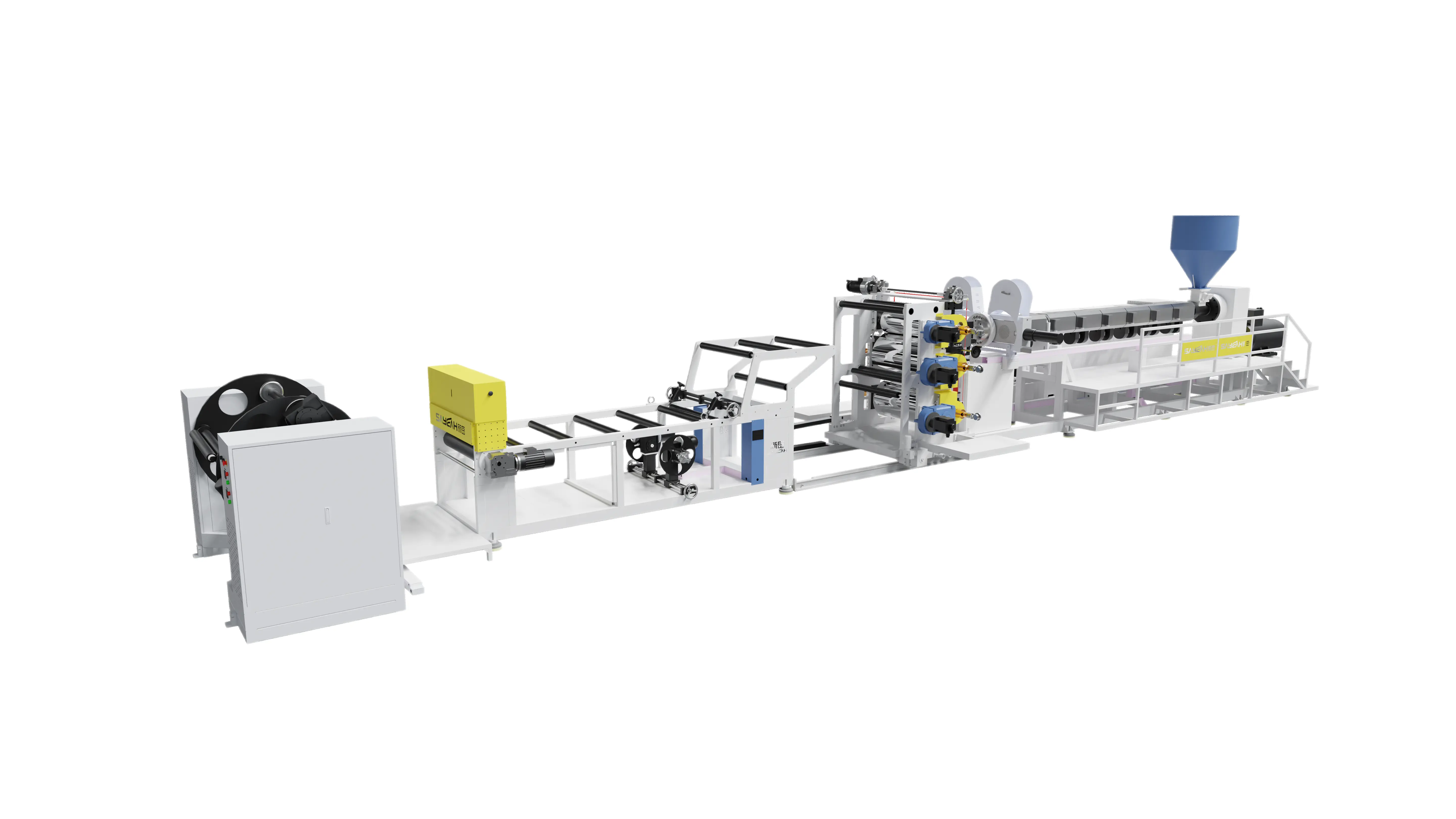
If you’re looking for a four-station thermoforming machine that balances low waste, flexible production, and reliable support, let’s connect to talk through your specific needs. We can walk through your part specifications, production volume, and current waste challenges to find a solution that works for your business.
Plastic Extruder References:
- Thermoforming Division, Society of Plastics Engineers. (2022). “Best Practices for Mid-Volume Thermoforming: Waste Reduction Standards.” SPE Plastics Engineering Handbook.
- Industrial Training International. (2021). “Operator Calibration and Waste Control for Four-Station Thermoformers.” Manufacturing Process Training Series.
- Market Research Future. (2023). “Global Thermoforming Equipment Market: Waste Rate Benchmarks by Machine Type.” Industry Analysis Report.
- International Society of Packaging Professionals. (2022). “Sustainable Packaging: Waste Reduction in Thermoforming Applications.” Packaging Technology Journal.
- Thermoforming Machinery Association. (2021). “Maintenance Protocols for Minimizing Scrap in Four-Station Thermoforming Systems.” Technical Bulletin TMA-007.
Zhejiang Sayeah Machinery Co., Ltd.
Zhejiang Sayeah Machinery Co., Ltd. is one of the most reliable manufacturers and suppliers of four station thermoforming machine in China, also supports high quality customized service. Please feel free to buy CE approved four station thermoforming machine from our factory. For price consultation, contact us.
Address: Wanquan District Industrial Zone,West Of China National Highway 104, Sunlou Village, Wanquan Town, Pingyang County, Zhejiang Province. China
E-mail: sales@sayeahmachinery.com
WebSite: https://www.sayeahthermoforming.com/
