If you’ve ever stepped onto a commercial construction site, remodeled an old home, or even done a quick fix on a garage, chances are you’ve seen rock wool insulation. As a third-generation supplier who’s spent the last 18 years loading rock wool rolls onto delivery trucks, troubleshooting installation headaches with contractors, and sitting across from homeowners worried about indoor air quality, I can tell you this question isn’t new: Are there any health risks associated with rock wool insulation? Rock Wool Insulation
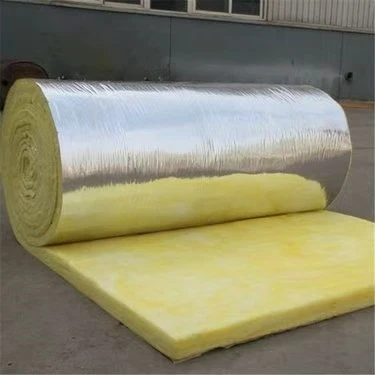
I get it. When you’re researching building materials, especially something you or your crew will be working with on a daily basis, it’s smart to dig past the marketing copy and look for real answers. Too many people mix up rock wool (also called mineral wool, stone wool, or slag wool) with other insulation products—most notably fiberglass—and that’s where a lot of the confusion starts. Let’s cut through the noise and talk about what we know, what we don’t, and what every installer, homeowner, and builder should keep in mind.
First, let’s get the basics straight: what even is rock wool insulation? It’s made from spinning molten rock—typically basalt, a common volcanic rock—or blast furnace slag, a byproduct of steel manufacturing—into fine, fibrous mats or batts. The process is similar to how cotton candy is made, just way hotter. The result is a dense, fire-resistant, moisture-repellent insulation that’s been around for over a century. It’s popular in commercial and residential builds for a reason: it doesn’t burn, it resists mold and mildew, it has high R-value per inch, and it doesn’t break down in extreme temperatures. For my part, I’ve supplied rock wool to restaurants that need insulation to meet local fire codes, apartment complexes in humid coastal areas where mold is a nightmare, and even barns where animals might nibble at insulation (rock wool isn’t palatable, so it’s safe there too).
Now, the biggest health concern that comes up, especially for people who work with insulation, is fiber exposure. Fiberglass gets most of the bad press here, and for good reason: fiberglass fibers are very fine, and some studies from decades ago linked prolonged, high-level inhalation of loose fiberglass fibers to respiratory irritation. But rock wool is different. Its fibers are much thicker—think 3 to 10 micrometers in diameter, compared to fiberglass’s 1 to 5 micrometers. The International Agency for Research on Cancer (IARC) classifies fibrous materials based on their ability to cause cancer in humans, and here’s the key: rock wool made from basalt or slag is classified as Group 3, meaning it’s not classifiable as to its carcinogenicity to humans. Fiberglass, on the other hand, was reclassified from Group 2B (possible carcinogen) to Group 3 back in 2001. That’s not to say rock wool fibers are harmless, though. If you inhale a lot of them in a short period, you’re going to have a reaction. For example, back in 2019, I had a contractor in Chicago call me panicking because he and his crew installed 12,000 square feet of rock wool in an unventilated attic in one day without masks. He said he had a sore throat for three days, and one of his guys had a cough that lasted a week. That’s not a rare story, but it’s avoidable.
The thing about mineral fibers (whether rock wool or fiberglass) is that they’re not designed to be breathed in. Your respiratory system has a defense mechanism: tiny hairs called cilia that trap and push out foreign particles. Fibers smaller than 2.5 micrometers can get deep into your lungs, and if they’re soluble (meaning they break down over time), your body can flush them out. Rock wool fibers are slightly less soluble than some other fibers, but for most people, short-term, low-level exposure doesn’t cause lasting damage. The risk comes from repeated, high-level exposure over months or years, or from working in a closed, unventilated space without proper PPE. That’s why we always tell our installation partners to use N95 or higher respirators, eye protection, and long sleeves when handling rock wool, especially when they’re cutting it or trimming batts—activities that release more loose fibers.
Another point that comes up a lot is skin irritation. I’ve gotten dozens of texts over the years from homeowners who tried to install rock wool themselves, complaining that it made their arms itchy or red. Again, compare that to fiberglass: fiberglass fibers are much sharper and more likely to embed in the skin, leading to that annoying, prickly rash that can stick around for days. Rock wool fibers are thicker and less sharp, so skin irritation is usually milder, more of a dry, itchy feeling than a rash, and it goes away once you wash the fibers off with soap and water. That said, if you have sensitive skin, it’s still a good idea to wear gloves when handling it. We used to ship rock wool without any instruction sheets attached—silly, right? Now every bundle comes with a one-page flyer that lists basic safety tips, and we make a point to go over that with every new installer that picks up a large order.
What about indoor air quality once the insulation is installed? That’s probably the question that matters most to homeowners, because you’re going to be living or working in that space for years. I’ve had people ask me if rock wool off-gasses toxic chemicals, or if fibers will work their way out of the insulation and into their living rooms. Let’s talk about off-gassing first. During manufacturing, rock wool is treated with small amounts of binders to hold the fibers together, and sometimes oil repellents to make it water-resistant. The thing is, most of these chemicals are fully cured during the production process—they’re baked into the rock wool at over 1,000 degrees Fahrenheit. By the time it leaves our warehouse, any volatile organic compounds (VOCs) that might off-gas have long since dissipated. That’s why rock wool is certified by GreenGuard and other third-party programs for low VOC emissions. I’ve supplied rock wool to a local elementary school that’s going through a full renovation, and the school’s air quality tests came back clear before the walls were even closed up.
As for loose fibers migrating out of the insulation, that’s a myth that’s been floating around for years. Modern rock wool batts are covered in a durable, fire-resistant facing—usually kraft paper, foil, or a synthetic fabric—that keeps the fibers contained. The only time you’ll see loose fibers is if the facing is damaged during installation, or if the insulation is cut improperly without sealing the edges. Even then, it’s not a common problem. I’ve been in hundreds of homes with rock wool insulation, and I’ve never had a customer call me saying they found fibers floating in their living room a year after installation. Compare that to older, improperly installed fiberglass, where loose fibers are more of a risk.
Wait, but what about older rock wool products? I’ve talked to older contractors who remember a time when rock wool had asbestos in it. That’s true—some rock wool products made before the 1970s did contain asbestos, because asbestos fibers were added to improve heat resistance. But that’s not the rock wool we sell today. All rock wool produced in the U.S. and Europe for residential and commercial use since the 1980s is asbestos-free. If you have an old home built before that, and you’re worried about insulation, you can have it tested by a professional, but rest assured that modern rock wool doesn’t have asbestos.
I know there are still people out there who will tell you any fibrous insulation is bad, and to an extent, that’s true if you don’t use it correctly. The key here is moderation and proper installation. Rock wool is not a toxic material, but that doesn’t mean you should go rolling around in a pile of it, or install 5,000 square feet in a closed garage without masks. The same goes for any insulation product, by the way. Fiberglass, spray foam, cellulose—all of them have risks if you handle them improperly without PPE.
Let me share a real example from last year. A guy named Mike in Detroit bought a 1,200 square foot home that had old fiberglass insulation in the attic. He tried to replace it himself, and ended up with a bad cough for two weeks and a rash on his arms. He called me looking for rock wool, because his friend had suggested it was safer. I talked him through the safety steps: rent a ventilator for the attic, wear a respirator, gloves, and a long-sleeved shirt, and seal up any cuts in the batts. He did all that, and a month later he sent me a photo of his finished attic, with a note saying he had no issues during installation, and his air quality test came back perfect. That’s the type of story I love hearing, because it shows that rock wool is safe when used right.
So what’s the bottom line on health risks associated with rock wool insulation? There are minimal risks, and they’re almost entirely avoidable with proper handling and installation. The most common issues are short-term, mild respiratory irritation from high fiber exposure and mild skin irritation, both of which go away quickly with basic safety measures. There’s no evidence linking modern rock wool insulation to chronic health issues like cancer, respiratory disease, or long-term indoor air quality problems, when installed correctly and used as intended.
As a rock wool supplier, my number one priority isn’t just to sell you bulk insulation at a fair price—it’s to make sure you understand how to use it safely, and that you have accurate, science-backed information instead of rumors and old myths. If you’re a contractor looking for insulation that meets fire codes and indoor air quality standards, a homeowner planning a remodel, or a builder working on a new project, I’m here to answer your questions, walk you through safety protocols, and help you pick the right rock wool product for your needs. Whether you’re ordering a small pallet for a home renovation or a full truckload for a commercial build, I can connect you with the specs, safety data sheets, and support you need to make your project a success.
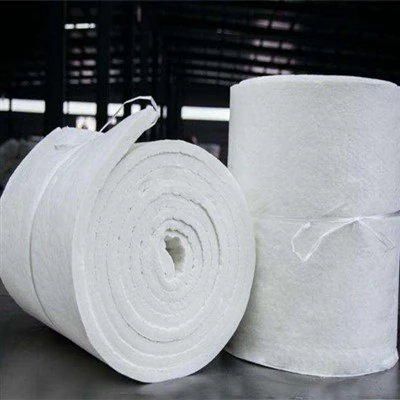
If you’re ready to learn more about rock wool insulation, compare products, or discuss your project requirements, don’t hesitate to reach out to my team and me. We’re here to help, every step of the way.
Glass Wool Insulation References
World Health Organization. (1995). Fiber Glass and Other Vitreous Fibres. IARC Monographs on the Evaluation of Carcinogenic Risks to Humans, 66, 33-179.
U.S. Environmental Protection Agency. (2021). Insulation and Indoor Air Quality. EPA Indoor Environments Division.
National Institute for Occupational Safety and Health. (2018). Mineral Wool Insulation: Health Effects and Recommendations. NIOSH Publication.
GreenGuard Environmental Institute. (2022). Low Emitting Insulation Products List.
Langfang Yafeng Energy-Saving Technology Co., Ltd.
As one of the most professional rock wool insulation manufacturers and suppliers in China, we’re featured by quality products and good price. Please rest assured to buy bulk premium rock wool insulation for sale here from our factory. Welcome to view our website for more information.
Address: Langfang Xinyafeng, Liugezhuang Town, Dacheng County, Langfang City, Hebei Province
E-mail: yafengbaowen@gmail.com
WebSite: https://www.xyfinsulation.com/
