Hey everyone, if you’ve ever walked down a tool aisle—whether at your local hardware store or scrolling through online catalogs—you’ve probably noticed a huge gap between basic angle grinders and the fancy “brushless” ones. I’m the owner of a small, no-BS brushless angle grinder supply company, and every single day, I get the same question from new buyers: “Is variable speed even worth it for a brushless grinder? I thought grinders were just for cutting through metal fast anyway.” Fair question, honestly. Most people see angle grinders as these one-job tools: crank it all the way up, grind through steel, call it a day. But after shipping thousands of these things to mechanics, contractors, and weekend warriors alike, I’m here to tell you variable speed isn’t a “nice to have” — it’s a total game-changer, especially with brushless motors. Let’s break this down like we’re chatting over a workbench coffee, no jargon promised. Brushless Angle Grinder
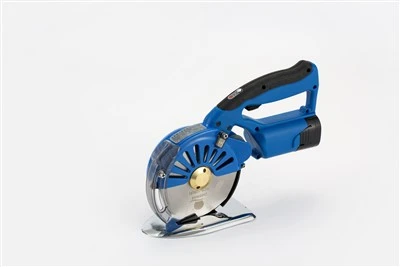
First, let’s get one thing straight: brushless motors vs. old-school brushed ones is a whole different blog post, but I’ll keep it quick. Brushed grinders use tiny carbon brushes that rub against the motor to make it spin—they wear out fast, get hot, and waste tons of energy as heat. Brushless ones? No brushes, so less friction, longer life, better power efficiency. That’s the big selling point right there. But variable speed is the secret sauce that makes that brushless motor actually work for you, not against you, depending on what you’re doing. Most folks don’t realize not every angle grinder job needs 10,000 RPM (that’s rotations per minute, for anyone who’s skipped high school physics). Let’s run through the common jobs I see customers rave about, and where variable speed makes all the difference.
Take the most basic one first: cutting or grinding thick steel, like rebar or steel studs for framing. For that, you do want high speed—you need that blade or disc biting through tough metal. But here’s the thing: most people only use their grinder for heavy jobs, right? Wrong. There are so many smaller, more precise jobs that use the same tool, and if you’re cranking the speed all the way up for those, you’re making a mess, or worse, a safety hazard. Let’s say you’re a mechanic fitting a custom exhaust pipe. You need to cut a thin section of stainless steel tubing to a perfect length, no jagged edges that’ll cause leaks or cuts on your hands. If you use a standard fixed-speed grinder, that high RPM will chew through the thin metal, overheat it, and warp the edge. But a variable speed brushless grinder? Dial it down to like 3,000 RPM, and you get a smooth, clean cut that fits exactly how it’s supposed to. I remember a customer from a local autobody shop hit me up last month saying he switched to our variable speed brushless model and cut his exhaust prep time in half—no more grinding away warped edges, no more having to buy extra tubing because you messed up a cut.
Then there’s grinding down rust or old paint, which is another super common job. If you’ve ever tried to grind rust off a cast iron bumper with a fixed-speed grinder, you know it’s either too fast (you’re gouging chunks out of the metal, leaving uneven surfaces) or too slow (you’re fighting the grinder, wasting time). Variable speed lets you adjust: for thick, caked-on rust, crank it up a little, but for surface-level paint or light rust on a door, dial it way down so you don’t remove more material than you need. That’s a huge deal for restorers, especially people working on old cars or vintage tools where you can’t afford to grind away the original metal. One of my repeat customers restores 1960s trucks, and he told me he used to go through 2-3 grinding discs a week because fixed speed discs would wear out fast on light work. With our variable speed brushless grinder? He’s getting a disc to last two weeks, and the finish is way smoother.
Wait, what about sanding or finishing jobs? Yeah, angle grinders aren’t just for cutting and grinding—you can attach flap discs, wire wheels, even sanding pads for smoothing metal edges, prepping for welding, or getting a clean finish on a fabrication project. For that stuff, high speed is a disaster. If you spin a flap disc too fast, it’ll tear the fabric, leave scratch marks, and even cause the disc to blow apart (that’s a safety risk no one talks about enough). I’ve seen people get hurt because they used a cutting disc for sanding at full speed—discs fly, it’s not fun. Variable speed lets you slow things down to 1,500-2,000 RPM for sanding, so you get a uniform finish without ruining your work or risking injury. A local fabrication shop that makes custom metal railings used to use a bench grinder for all their finishing, but now they use our variable speed brushless grinders and finish 3 railings a day instead of 2. That’s not just convenience—that’s money in their pocket, which is what we all care about.
Now, let’s tie this back specifically to brushless motors, because that’s what we sell, and what makes variable speed actually work. Old brushed grinders used to have variable speed that was clunky, would flicker if you put too much load on it, and often had less power at lower speeds. But brushless motors are way more responsive—they can adjust their speed seamlessly, even under load, so when you dial it down to 3,000 RPM for cutting thin metal, the motor doesn’t stutter, it keeps consistent power. No more grinding to get the speed you need, no more dying mid-cut because you pushed too hard. Also, brushless motors run cooler, so when you’re running at lower speeds for long periods (like sanding a whole deck of metal parts), you don’t have to worry about the motor overheating or burning out. A lot of our customers say their old fixed-speed grinders would get so hot during a long sanding job they had to set it down and wait 10 minutes. With brushless and variable speed? They can work straight through, no breaks needed.
But wait, some people still push back: “I’ve used fixed-speed grinders for 20 years, why change?” I get it. Old habits are hard, and if something works for you, why switch? But here’s the thing: safety. Angle grinders are one of the most dangerous power tools on the market, mostly because of user error—using the wrong speed for the job, slipping, disc failure. When you can control the speed, you have way more control over the tool. That means less slip, less overheating of the disc or material, less chance of a disc breaking apart. I’ve had a handful of customers tell me they had a disc blow apart on their old fixed-speed grinder, and it was terrifying—shrapnel flying, almost hit someone. With variable speed, they said they feel way more in control, especially when working in tight spaces or on delicate materials.
Another point: versatility. A lot of pro contractors only want to buy one tool, not a dozen different ones for every job. A variable speed brushless angle grinder can do everything a fixed-speed one can do, plus all those smaller jobs you used to have to use a bench grinder, die grinder, or even a separate sander for. That means less gear to haul around, less tools cluttering up your truck, less money spent on multiple tools. For a self-employed handyman, that’s a massive win—they can show up to a job with one grinder, do the cut, the grind, the sanding, and move on, instead of switching tools every 10 minutes.
Now, let’s talk about the myths out there. Some folks say variable speed is “less powerful” at high RPM. No, not with brushless. Our grinders put out the same max power at full speed as a top fixed-speed brushless grinder—if not more, because the variable speed controller lets the motor adjust power where it’s needed. Others say variable speed is more expensive. Yeah, upfront it’s a few bucks more, but when you factor in longer disc life, less tool wear, less time wasted messing up jobs, and fewer replacement tools? It pays for itself in like 2-3 months of use. And for pros, time is money—if you can get a job done 20% faster, that’s 20% more jobs you can take on, which is way more than the extra cost of the grinder.
I want to also talk about the weekend warriors, not just the pros. A lot of guys (and gals) who work on projects at home—building a deck, fixing up a car, making custom furniture—don’t want to invest in a ton of tools. A variable speed brushless grinder is perfect for them because it can handle the heavy, “beat the crap out of metal” jobs, and the fine, “don’t mess this up” jobs too. I get messages all the time from homeowners saying they were scared to use a regular grinder because they’d seen videos of people making mistakes, but with the variable speed, they felt comfortable cutting a steel beam for their fence, then sanding the edges smooth without burning themselves. That’s accessibility, right? Power tools should be for everyone, not just guys with years of experience.
Wait, should I mention any common mistakes buyers make? Yeah—don’t skimp on the variable speed controller. A lot of cheap grinders have “variable speed” that’s really just a few fixed speed settings with a fancy knob, and they don’t work well with brushless motors. That’s why we only sell grinders with smooth, continuous variable speed—you can dial it to exactly what you need, not just 1 of 5 numbers. If you’re shopping around, test it if you can: turn it on at the lowest setting, see if it’s consistent, no stuttering, no lag. If it feels clunky, move on. That’s not a real variable speed, and you won’t get the benefits.
Also, let’s circle back to brushless specifically, because we’re all about that. Variable speed on a brushed motor is nice, but it doesn’t last as long, and it’s not as reliable. With brushless, the combination means the grinder will last 2-3 times longer than a brushed one, even with variable speed being used all the time. I’ve had customers tell me their old brushed fixed-speed grinder died after 5 years of heavy use, but their first variable speed brushless one is still going strong after 7 years. That’s a huge return on investment.
I know some of you are still thinking, “I don’t need that, my fixed-speed works fine.” Fair. But next time you’re on a job, or working on a home project, ask yourself: how many times have you had to switch tools because the grinder was too fast? How many discs have you gone through because you messed up a cut or grind because of the speed? How many times have you worried about a disc flying apart? Variable speed solves all that. It’s not just a feature—it’s a tool that adapts to you, not the other way around.
At the end of the day, we’re not selling grinders, we’re selling tools that make your job easier, safer, and more profitable. If you’re tired of fighting your grinder, wasting discs, and having to buy extra tools for every little job, a variable speed brushless angle grinder is worth every penny. We work with contractors, mechanics, restores, and hobbyists, and every single one of our customers who made the switch has told me they regret not doing it sooner.

If you’re ready to upgrade your grinder, or just want to chat about what model works best for your specific jobs, hit us up to talk about your needs. We’re here to help, no pressure, just real advice from people who use these tools every day, not salesmen reciting a script. Don’t settle for a grinder that only does one thing—get one that does everything, and makes your work way less of a headache.
Electrical Angle Grinder References:
- Power Tool University. "Brushless vs. Brushed Motors: Efficiency, Lifespan, and Performance". 2022.
- Occupational Safety and Health Administration (OSHA). "Angle Grinder Safety Guidelines for Construction and Fabrication". 2021.
- Tool Box Buzz. "Variable Speed Power Tools: The Case for Adjustable RPM in Professional and Home Use". 2023.
- International Association of Certified Home Inspectors (InterNACHI). "Power Tool Safety for Home Improvement Projects". 2022.
Zhejiang Cheering Sewing Machine Co., Ltd.
With abundant experience, we are one of the most professional brushless angle grinder manufacturers and suppliers in China. Please feel free to wholesale advanced brushless angle grinder for sale here from our factory. We also accept customized orders.
Address: No.69 Heping Road, Lishui, Zhejiang, China
E-mail: gxjlq@126.com
WebSite: https://www.cheering-machinery.com/
