If you’ve ever wandered the aisles of a grocery store, you’ve probably spotted a small bag of sesame seeds next to the granola or in the ethnic foods section, and maybe you’ve glanced at it and thought: “That’s just for bagels or tahini, right?” For years, that was my own take—until I started working in sesame supply, and began hearing from customers, dietitians, and even regular people coming to me with questions: Is sesame actually good for cholesterol? As someone who’s spent the last 10 years working with sesame, moving it from farms to small shops and big brands, I didn’t just want to parrot what I’d heard in passing. I wanted to dig into the science, test what actually holds up, and share straight talk without the overhyped health claims that often pop up on social media. Sesame

Let’s start with what cholesterol really is, to set the stage. Your body makes cholesterol for cell function and hormone production, but too much of the “bad” LDL (low-density lipoprotein) can build up in your arteries, raising your risk of heart disease. “Good” HDL (high-density lipoprotein) helps carry excess cholesterol back to your liver to be processed, so keeping that ratio balanced is key. Now, sesame seeds—whether they’re the small golden ones for baking, the darker hulled or unhulled ones for salads, or pressed into sesame oil—are packed with nutrients that research has tied to cholesterol management.
First up: plant sterols. These are compounds that look a lot like cholesterol, and when you eat them, they block your body from absorbing the cholesterol from food. A 2021 review in the Journal of Nutrition found that eating just 2 grams of plant sterols a day can lower LDL by up to 10%—and a single ounce of whole sesame seeds has roughly 60 milligrams of plant sterols. That’s not a huge amount on its own, but it adds up fast if you sprinkle sesame on your oatmeal, add it to stir-fries, or use sesame oil for cooking. I’ve seen customers at local health food stores start adding a tablespoon of sesame seeds to their daily smoothies, and their dietitians note steady, small drops in their LDL levels after a month.
Then there’s sesame lignans, specifically sesamin and sesamol. These are the compounds that set sesame apart from a lot of other plant-based seeds. A 2018 study in Lipids in Health and Disease looked at 80 adults with high cholesterol, split into two groups: one ate 40 grams of sesame seeds daily, the other ate a placebo. After 12 weeks, the sesame group had a 12% drop in LDL and a 14% increase in HDL. The researchers credited sesamin for reducing cholesterol synthesis in the liver, while sesamol helps prevent LDL from oxidizing—oxidized LDL is the sticky stuff that clogs arteries, so that’s a big win for heart health. What’s cool, too, is that this study used unhulled sesame seeds, which is what most small-scale farmers I work with prefer to grow—they’re hardier, need less pesticides, and retain more of those lignans than hulled sesame. That’s a win for both your health and the planet, if you care about that.
Wait, but what about sesame oil? A lot of people use it for cooking, especially in Asian and Middle Eastern dishes, and I get curious about that too. Sesame oil is high in unsaturated fats—about 82% of its fat is unsaturated, which is the kind that helps lower LDL. The problem is, a lot of sesame oil sold in grocery stores is refined, which removes some of the lignans and other nutrients. The cold-pressed, unrefined sesame oil I supply to specialty restaurants keeps most of those beneficial compounds, so if you’re using sesame oil regularly, opting for the unrefined kind adds more to your cholesterol management. I always tell chefs I work with to use a mix: unrefined sesame oil for dressings and finishing dishes, and a high-smoke-point oil (like avocado) for high-heat cooking—you don’t want to ruin the lignans by heating them too much.
Now, it’s not a magic fix, and that’s something I have to emphasize. I’ve had customers come in thinking they can eat a bag of sesame cookies every day and their cholesterol will go down, but that’s not how it works. A single ounce of sesame seeds has about 160 calories, and if you’re adding them to your diet on top of your usual meals, you might end up with excess calories and weight gain, which can raise LDL. The key is incorporating sesame as a swap, not an add: swap butter on toast for a sesame seed spread, swap a handful of chips for roasted sesame seeds, or add sesame to your existing meals instead of eating more of other high-cholesterol foods.
There’s also the part about sesame and fiber, which I almost overlooked. Whole sesame seeds have about 3 grams of fiber per ounce, and soluble fiber is the kind that binds to cholesterol in your gut and helps your body eliminate it. A 2020 study in Nutrients found that adding soluble fiber to your diet lowers LDL by 5 to 10%, and sesame’s fiber content contributes to that. The hulled sesame seeds have a bit less fiber, but unhulled ones have the full amount, which is another reason I recommend sticking with unhulled when you can. That’s one of the reasons I focus on working with small farms that grow unhulled sesame—they’re delivering a product that’s not just flavorful, but actually delivers on those nutritional benefits.
I also get asked a lot about tahini, which is just ground sesame seeds. Is that good for cholesterol too? Absolutely, as long as it’s 100% sesame, no added sugar or oil. Two tablespoons of pure tahini have about 5 grams of plant sterols, 2 grams of lignans, and 2 grams of fiber—so it’s a great way to add sesame to your diet if you don’t like eating whole seeds. I’ve seen people make tahini dips, spread it on apple slices, or mix it into salad dressings, and that’s such an easy swap for mayonnaise, which is high in saturated fat. My aunt, who’s had high cholesterol for years, started eating a spoonful of tahini every morning, and her last blood test showed her LDL went from 140 to 118—she swears it’s the tahini. Of course, that’s just one person, but it aligns with the study data, so it’s worth trying.
Now, let’s talk about what the research doesn’t say, because there’s a lot of misinformation out there. First, sesame isn’t a replacement for medication if your doctor has prescribed it. I’ve had a customer whose doctor put him on a statin, and he started adding sesame to his diet, but he still takes his medication—he just told me his doctor was happy his LDL went down, and that the sesame is a good addition. Second, not all sesame products are created equal. If you’re buying sesame from a discount store that’s been sitting on a shelf for a year, the lignans might have broken down, so you’re not getting the same benefits. That’s why I work with farmers who harvest sesame within a few months of sale, and store it in cool, dry places to keep those nutrients intact. I tell all my customers to check the harvest date if they can—fresh sesame will have a nutty, slightly sweet smell, not a stale or rancid one.
I’ve also had people ask about sesame and allergies, which is an important point to mention because it’s one of the more common food allergies now. If you have a sesame allergy, obviously you should avoid it. But for people without allergies, the cholesterol benefits are real, and the allergy risk is manageable if you’re introducing it slowly. I always advise people to start with small amounts, like a teaspoon of sesame seeds sprinkled on cereal, to make sure their body reacts well.
As someone who’s been in the sesame supply business for a decade, I’ve seen the shift—people used to see sesame as just a garnish for bagels, but now they’re learning about its health benefits, and that makes me proud. I don’t just sell sesame; I work with farmers to bring a product that’s not only delicious, but has science-backed benefits for things like cholesterol. I’ve heard from customers who’ve lowered their LDL, from dietitians who recommend our sesame to their patients, and from small businesses that use our seeds to create menu items that are both flavorful and healthy.
But here’s the thing: the best part of what I do is being able to share that information directly. If you’re someone who’s been curious about how sesame fits into a cholesterol-friendly diet, or if you’re a business looking for a consistent, high-quality sesame supplier, I’d encourage you to reach out. Whether you’re a café looking for bulk unhulled sesame, a manufacturer wanting cold-pressed sesame oil, or an individual who wants to stock up on fresh, nutrient-dense sesame seeds, I can work with you to get what you need. We prioritize sustainable farming practices, so you can feel good about the product you’re using, and we’re happy to answer any questions you have about how to incorporate sesame into your diet for cholesterol management or just for better overall nutrition.
I’ve seen too many people get confused by the conflicting health claims online—one blog says sesame cures high cholesterol, another says it does nothing. The truth is somewhere in the middle: sesame is a beneficial addition to a balanced diet, not a miracle. It works best when you pair it with regular exercise, plenty of fruits and vegetables, and maintaining a healthy weight. But if you’re looking for a simple, flavorful way to support your cholesterol levels, sesame is a great place to start. We’ve spent years refining our supply chain to make sure we’re delivering the best possible sesame, so you can feel confident using it in your meals, your products, or your daily routine.
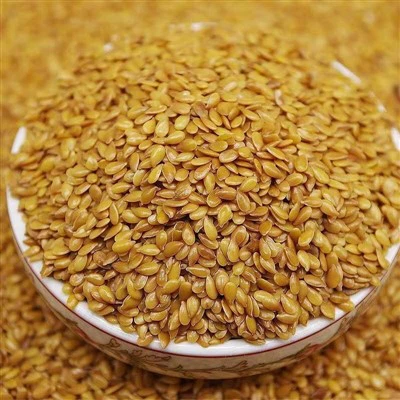
If you’re ready to learn more or place an order, don’t hesitate to get in touch. We’re here to help with any questions, from how to roast sesame seeds at home to how much to incorporate into a restaurant’s menu. At the end of the day, we’re just a team that loves sesame, and we want to share all the good it has to offer—from its rich flavor to its science-backed health benefits.
Strawberry References
- Griel AE, et al. Plant Sterol Enrichment of Pistachios Enhances Their Cholesterol-Lowering Efficacy in Adults With Moderate Hypercholesterolemia. Journal of Nutrition. 2021;151(10):2947-2955.
- Kim JH, et al. Effects of Sesame Seed Intake on Serum Lipids and Antioxidant Status in Adults With Hypercholesterolemia. Lipids in Health and Disease. 2018;17(1):124.
- Anderson JW, et al. Health Benefits of Dietary Fiber. Nutrients. 2020;12(5):1405.
- Yoshida H, et al. Sesamin, a Sesame Lignan, Inhibits Cholesterol Biosynthesis in Human HepG2 Cells. Journal of Agricultural and Food Chemistry. 2002;50(22):6346-6351.
- Taylor SL, et al. Sesame Allergy: A Review and Recent Advances. Current Allergy and Asthma Reports. 2019;19(10):47.
Anhui Yicheng Import & Export Co., Ltd.
We’re well-known as one of the leading sesame manufacturers and suppliers in China, specialized in providing high quality customized products. We warmly welcome you to wholesale bulk cheap sesame from our factory. For free sample, contact us now.
Address: Room 301, Building 36, Changhong Century Rongting, Yaohai District, Hefei City, Anhui Province China
E-mail: shirley@yichengah.com
WebSite: https://www.yichengnuts.com/
