If you’ve ever stood next to a working gas turbine – whether at a power plant, an offshore rig, or a large industrial facility – you’ve probably felt the roar of its exhaust and the thrum of its blades. But what most people don’t see is the quiet, unsung hero that keeps that turbine running: the filter housing. As someone who’s been supplying gas turbine filters for over a decade, I get asked this question all the time – usually by new plant managers, maintenance techs, or even engineers who’ve never worked on a turbine’s air intake system beyond a quick inspection. Let me break this down like I would to a coworker over a coffee, no stuffy jargon or textbook nonsense. Gas Turbine Filtersa
First, let’s start with the basics: gas turbines work by squeezing a huge volume of air, mixing it with fuel (natural gas, diesel, or even biofuels), igniting that mixture, and letting the hot, expanding gases spin the turbine blades to make electricity or power equipment. That air has to come from somewhere – and it’s not like you can pipe in “clean air” from a lab. The air we breathe is full of stuff: dust (from dirt roads, construction sites, or desert terrain), pollen, salt particles (if you’re near a coast), industrial fumes, even random debris like leaves or plastic bits that blow onto a plant’s grounds. Any of that gunk getting into the turbine’s core is a problem. Dust can sandblast the precision-machined blades, making them unbalanced and less efficient. Salt can corrode metal parts over time, leading to expensive breakdowns. Even tiny pollen spores, when heated, can burn into sticky residue that clogs fuel nozzles. That’s where the filter housing comes in.
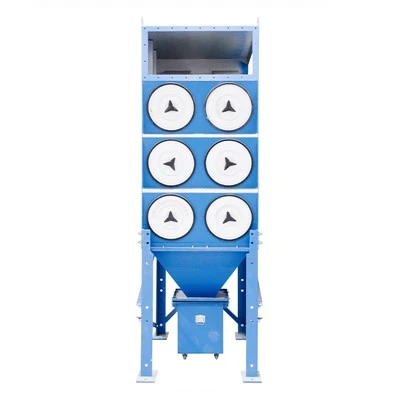
Simply put, a filter housing is a heavy-duty, custom-built metal container that holds all your gas turbine’s intake air filters. It’s not just a box to stick filters in – it’s the first line of defense between the outside environment and your turbine’s expensive, delicate internal components. Think of it like the lungs of the turbine: you wouldn’t breathe through a dirty cloth, right? The housing makes sure the filters do their job properly, without being damaged, bypassed, or blocked.
Let’s get into the nitty-gritty of what makes a good filter housing work, since I’ve seen cheap ones that fail just as fast as bad filters. First, size and fit are non-negotiable. A gas turbine rated for 5 megawatts needs way more air flow than a tiny 1-megawatt unit, so the housing has to be sized to match the filter’s flow rate. If the housing is too small, air has to squeeze through the filters too fast, which makes them wear out prematurely and can cause gaps where unfiltered air sneaks past (that’s called “bypass,” and it’s a nightmare for efficiency). If it’s too big, you’re wasting money on extra metal that doesn’t serve a purpose, and the filters might shift around during operation, leading to leaks.
Next, the material matters. Most of the ones we supply are made from heavy-gauge carbon steel, but for plants in coastal areas or with high levels of corrosive fumes, we use stainless steel or even coated carbon steel to fight rust and corrosion. I learned this the hard way early in my career: a client in Florida went with a cheap galvanized steel housing, and within two years, salt air had pitted the metal so bad it started leaking around the filters, leading to a $50,000 turbine repair bill. Now, we always ask clients about their site environment before we build anything – desert? Coast? Near a factory? That changes everything.
Then there’s the design inside the housing. Good housing design isn’t just about holding filters; it’s about directing air smoothly through them without turbulence. Turbulence inside the housing can make filters get dirty faster (since dirt gets knocked off instead of caught) and cause uneven flow, so some filters wear out before others. We add things like flow straighteners and transition ducts to make sure air moves evenly across every filter – that’s one of the big differences between a housing that works and one that doesn’t. Also, easy access is huge for maintenance. Technicians have to change filters every 3 to 12 months, depending on how dirty the site is, so if the housing has complicated latches or you have to disassemble half the plant to get to the filters, you’re going to have downtime that costs way more than a slightly better housing. That’s why all our housings have quick-release clamps, wide access doors, and even built-in lifting points so you can swap a filter in 10 minutes, not an hour.
Now, let’s talk about how filter housings work with the actual filters, because they’re a pair – you can’t have a good housing with cheap filters, and vice versa. Most gas turbine filter systems use a two-stage setup, right? The first stage is a pre-filter, which catches the big stuff: leaves, dust clumps, pollen. That’s mounted in the filter housing first. Then the second stage is a high-efficiency filter (usually a HEPA-like design, but tough enough for industrial use) that catches the tiny particles – salt, fine dust, soot. The housing has to hold both stages securely, so the pre-filter doesn’t get pushed into the high-efficiency filter (which would damage it) and so neither stage has gaps. We also build in a differential pressure gauge port into the housing – that’s how you tell when your filters are dirty. When pressure goes up, you know it’s time to change them. A good housing makes that gauge easy to read, no craning your neck around a rusted frame to see numbers.
I’ve seen so many people undervalue the filter housing, and that’s a mistake. Last year, a client in the Midwest called us in a panic. They had a standard off-the-shelf housing from a big box industrial supply store, and their filters were clogging in half the time they should, leading to increased fuel costs (since the turbine had to work harder to push air through clogged filters) and a minor blade erosion issue. When we looked at their housing, it turned out the flow design was all wrong – air was hitting one side of the filter way harder than the other, so half the filter was doing all the work, while the other half was almost clean. We swapped out their old housing for a custom one sized to their turbine, and their filter life went from 2 months to 6 months. Their fuel efficiency jumped by 8% within a quarter, and they didn’t have to schedule that expensive blade repair they were budgeting for. That’s the power of a good housing – it’s not just a container, it’s a way to save money long term.
Another thing to consider: extreme environments. If a plant is in the desert, where dust storms can dump a ton of dirt in a few hours, the filter housing has to handle that. We add rain hoods on top to keep rain out (since wet dust turns into mud, which clogs filters fast) and sometimes even dust collection ports so you can blow off excess dirt from the pre-filters without taking the whole housing apart. For offshore rigs, the housing has to be mounted to handle constant vibration from the turbine and rough seas, so we reinforce the sides and add vibration isolators. We even work with clients to design housings that fit in tight spaces – some older turbines have weird intake dimensions, so we don’t do a one-size-fits-all, cookie cutter job. We measure the intake, work with the client’s maintenance team, and build something that fits exactly, no modifications needed.
Wait, let’s clear up a common misconception: filter housings aren’t just for new turbines. A lot of people with older turbines think they can skip replacing the housing when they upgrade their filters, but that’s not true. If you switch to a higher-efficiency filter, you need a housing that can handle the increased pressure drop and flow. We’ve had clients upgrade from standard fiberglass filters to a more robust pleated design, and their old housing couldn’t handle the air flow, leading to leaks and filter damage. That’s why we always do a site walkthrough before we quote a housing – we look at the existing system, talk to the maintenance team, check the turbine’s specs, so we don’t sell something that doesn’t work for them.
So why does this matter to you, if you’re a plant manager, engineer, or someone responsible for keeping a turbine running? Let’s do the math: a gas turbine can cost millions of dollars to install. A filter housing is a fraction of that cost – usually a few thousand dollars, depending on size – and it protects that multi-million dollar asset. Skimping on a housing might save you a few bucks upfront, but if it leads to unfiltered air getting in, you’re looking at blade repairs that can run six figures, or even a full turbine replacement if the damage is bad enough. Plus, inefficient filters (because of a bad housing) mean your turbine uses more fuel, which adds up to thousands of dollars a month in extra energy costs. I’ve had clients tell me their filter housing was “just a box” until they had a breakdown, and then they realized it was the most important part of their air intake system.
At the end of the day, a filter housing is all about reliability and efficiency. It’s not a flashy part – you won’t see it in a turbine’s marketing materials – but it’s the thing that lets your turbine run smoothly, cuts your maintenance costs, and keeps your fuel bills low. If you’re dealing with a turbine, whether it’s a new installation or you’re replacing old filters, don’t just buy the cheapest filter or a random housing off the shelf. You need a housing that’s built for your specific site, your turbine, and your maintenance schedule.
If you’re currently dealing with filter issues, or you’re looking to upgrade your intake system, reach out to our team. We’ll come out to your site, look at your setup, answer all your questions, and help you find the right filter housing and filters to keep your turbine running strong. No sales pitches, no confusing jargon – just straight talk about keeping your equipment working when you need it most.
Gas Turbine Filter References
- Gas Turbine Intake System Design Standards. National Energy Technology Laboratory, U.S. Department of Energy.
- Maintenance Guidelines for Industrial Gas Turbines. American Society of Mechanical Engineers (ASME).
- Filter Housing Materials for Corrosive Industrial Environments. Industrial Maintenance and Plant Operations Magazine.
Jiangsu Renhe Energy Saving Technology Co., Ltd.
As one of the most professional gas turbine filtersa manufacturers and suppliers in China, we also accept customized order. We warmly welcome you to wholesale durable gas turbine filtersa in stock here from our factory. If you have any enquiry about quotation, please feel free to email us.
Address: No.358 Nanyuan Road, Tangqiao Town, Zhangjiagang City
E-mail: info@rhfilter.com
WebSite: https://www.rhccafenv.com/
