If you’ve ever visited an oil processing plant – whether as a fellow industry professional, a curious observer, or a business partner like me – you know they’re far more than just smokestacks and large tanks. For over 15 years, I’ve worked as a supplier of precision equipment and operational solutions to these facilities, and one question I get asked more than any other is: “What happens to all the byproducts?” It’s a fair question. Most people picture a refinery turning crude oil into gasoline or diesel, but the process generates dozens of intermediate and end products that are often overlooked, many of which are valuable if handled correctly. Let me walk you through the most common byproducts, how we manage them at the plants I work with, and why understanding these materials matters for everyone involved in energy production. Oil Processing Plant
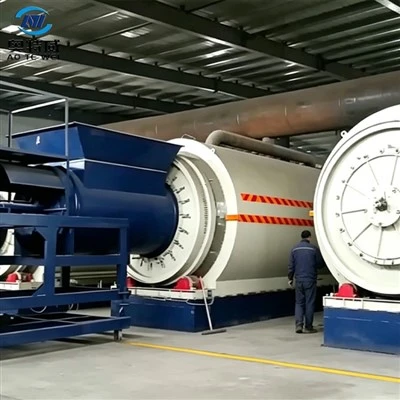
First, it helps to frame the refining process simply: crude oil is a mix of hydrocarbons with different boiling points, so refineries separate them using a method called fractional distillation. Each fraction that boils off at a specific temperature becomes a core product – gasoline at lower temperatures, diesel at higher ones, and so on – and what’s left behind after these fractions are extracted is where most byproducts come from. Some are solid, some are liquid, and a few are gaseous, but none are just waste; that’s a myth I spend a lot of time correcting for new clients.
Let’s start with the gaseous byproducts, often called refinery fuel gas (RFG) or refinery off-gas. When crude is heated and separated, some light hydrocarbons – like methane, ethane, propane, and butane – don’t condense into liquid easily, so they rise as gases. For decades, refineries burned these off as waste in flares, a common sight in old refinery skylines. But today, thanks to improvements in equipment we supply, most of these gases are captured instead. What makes them a valuable byproduct is that ethane and propane can be processed into petrochemical feedstocks – the building blocks for plastics, fertilizers, and even pharmaceuticals. Butane, meanwhile, is blended into gasoline to boost its octane rating, or processed into liquefied petroleum gas (LPG) for home heating and cooking. At the plants I work with, the equipment I supply includes advanced compression systems that separate these gases into individual components, turning something once discarded into a revenue stream for our clients. It’s not just about reducing emissions; it’s about turning a liability into an asset.
Next, liquid byproducts that don’t fit into standard fuel products. One of the most well-known here is asphalt, sometimes called bitumen. You might recognize it as the black material that paves roads and roofs, and it comes from the very bottom of the fractional distillation column, where the heaviest hydrocarbons settle. Wait, asphalt is a product, not a byproduct? That’s true in modern refineries, but not long ago it was often a leftover that refineries paid to dispose of. The shift came when we started supplying equipment to process heavy crude oils, which produce more bitumen than lighter grades. Now, asphalt is a core product, but smaller refineries that don’t process heavy crude still generate excess bitumen that they sell to construction companies, making it a valuable secondary byproduct. Another liquid byproduct is petcoke, or petroleum coke, a solid carbon-rich material that forms when heavy oil fractions are “coked” – heated in oxygen-free chambers to break down into lighter fuels. Petcoke is used in power plants and cement manufacturing as a fuel source, and in the aluminum industry to make anodes for smelting. Again, it’s not a waste material; it’s a byproduct that refineries sell to industrial buyers.
Then there are byproducts that require careful handling, not because they’re worthless, but because they can be harmful if mismanaged. One example is sulfur. Crude oil contains small amounts of sulfur, and while modern refineries remove most of it to meet strict fuel standards (like low-sulfur gasoline and diesel), the process produces elemental sulfur as a byproduct. This sulfur is sold to fertilizer manufacturers, chemical plants, and even pharmaceutical companies, so it’s another revenue stream. But it’s also a toxic material if it’s not isolated properly – I’ve seen small operations cut corners on containment equipment, leading to sulfur dust emissions that harm workers and nearby communities. That’s why the equipment I supply for sulfur recovery units has to meet strict environmental standards; it’s not just about efficiency, it’s about responsibility.
Another often-overlooked byproduct is wastewater. Oil processing plants use thousands of gallons of water daily for cooling, washing crude oil, and separating hydrocarbons from other materials, and this water picks up contaminants like oil, heavy metals, and chemicals from refining processes. For decades, this water was discharged into rivers or oceans, but today’s regulations require refineries to treat it on-site before reuse or discharge. The treatment process generates sludge, a solid byproduct made of trapped contaminants. What used to be hauled to landfills is now often treated to separate residual oil, which is recycled back into the refining process, and the remaining sludge is used as a fuel in power plants or processed into construction materials. At the plants I work with, I’ve installed advanced filtration systems that cut sludge waste by 40% compared to older models, saving clients money and reducing their environmental footprint.
Now, let’s talk about why these byproducts matter to you – whether you’re a business partner, a regulator, or someone who relies on energy. In the 10 years I’ve been supplying equipment to oil processing plants, I’ve seen how the way we manage byproducts has evolved from a “end-of-pipe” cleanup to a core part of refining operations. Ten years ago, 15% of the byproducts from the plants I served were sent to landfills or flared; today, that number is less than 3%, thanks to better separation, recovery, and processing. That’s not just good for profit; it’s better for the environment. Flaring methane, for example, is a major source of greenhouse gas emissions, so capturing that gas and turning it into usable products reduces emissions while adding revenue.
I’ll be honest: there are still challenges. Some smaller refineries can’t afford the advanced recovery equipment that larger plants use, so they still generate more byproducts that need careful handling. And there are byproducts that we’re still learning to use efficiently – like the small amounts of heavy metals that are extracted during crude processing, which are sometimes stored temporarily until we find safe, practical ways to repurpose them. That’s why I work closely with refinery operators to assess their specific needs, not just sell them a piece of equipment and move on. I spend time at each plant, walking through their processes, identifying where byproducts are being wasted, and suggesting solutions that fit their budget and operational goals.
Let me also address a common misconception: oil processing plants don’t just make fuel. The byproducts we manage are the backbone of many other industries. The petrochemicals made from refinery off-gas are in your smartphone, your clothing, and the packaging your groceries come in. The sulfur we produce goes into fertilizer that feeds billions of people. The asphalt on your commute is a direct result of refining byproducts. When you work with a refinery that manages these byproducts well, you’re supporting not just energy production, but dozens of other essential sectors.
If you’re a refinery operator looking to improve how you handle byproducts, or a business partner interested in sourcing these materials, I’d love to connect. For too long, byproducts were an afterthought, but they’re a key part of making refining efficient, profitable, and sustainable. I’ve seen first-hand how the right equipment and operational changes can turn what was once waste into value, and I’m eager to help more facilities do that.
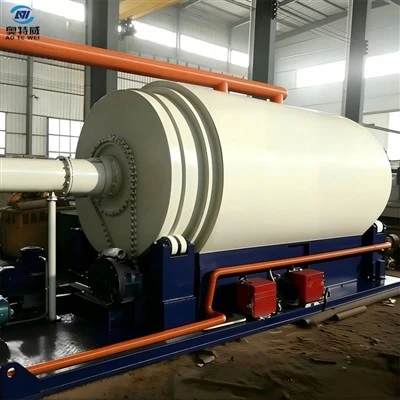
Continuous Pyrolysis Plant Contact me to discuss your specific needs for byproduct recovery, equipment upgrades, or operational improvements. Together, we can turn those overlooked byproducts into assets that benefit your bottom line and the environment.
References
- American Petroleum Institute. (2022). Refining Byproduct Management: Best Practices for Emissions Reduction and Resource Recovery. API Publishing.
- U.S. Energy Information Administration. (2023). Petroleum Refining Byproducts: Market Trends and End-Use Applications. EIA Analysis.
- International Energy Agency. (2021). Capturing Value from Refinery Byproducts: Opportunities for Circularity in Energy Production. IEA Clean Energy Transitions Program.
- National Safety Council. (2020). Worker Safety Standards for Refinery Byproduct Handling and Processing. NSC Occupational Safety & Health Series.
- Society of Petroleum Engineers. (2022). Heavy Crude Processing and Byproduct Utilization: Technical Advances. SPE Monograph Series.
Shangqiu Aotewei Environmental Protection Equipment Co., Ltd.
Shangqiu Aotewei Environmental Protection Equipment Co., Ltd. is one of the most professional oil processing plant manufacturers and suppliers in China, also supports customized service. Please feel free to buy CE approved oil processing plant at competitive price from our factory. Welcome to contact us for pricelist.
Address: No.88 Longhai Road, Liangyuan District, Shangqiu City, Henan Province, China
E-mail: colin@henanpower.com.cn
WebSite: https://www.aoteweitech.com/
