Hey everyone, it’s Jake, and I run a food additives supply business that’s been around for over a decade—so when people hit me up asking, “Wait, are food additives actually regulated by the FDA?” I get it, it’s a confusing mess, especially with all the weird headlines about “mystery chemicals” in snacks and sauces. Let me break this down straight, no stuffy jargon, no corporate PR lines, just the real deal from someone who’s shipping these ingredients every single week. Food Additives

First off, let’s kill the big myth right now: No, not every single thing you see on a label with a long, unpronounceable name is strictly regulated in the exact same way. But the FDA’s got way more skin in this game than most people think—especially when it comes to the additives my team and I supply. Most folks don’t know the FDA split food additives into two huge buckets back in the day: GRAS substances and “food additives” that actually need formal approval. GRAS stands for “Generally Recognized As Safe,” and that’s where a lot of the everyday stuff like citric acid (used in soda and jam) or lecithin (in chocolate to keep it from clumping) falls. But here’s the catch—GRAS isn’t just a “free pass” to dump whatever you want into food. It means a panel of experts has weighed all the available science and decided, based on common use, that it’s safe for what it’s used for. Some companies even do their own GRAS self-determinations these days, but they gotta document every study, every test, every single data point—no cutting corners. I’ve had clients come to me with a new additive they swear is GRAS, and we still make ‘em send over their full safety file before we even touch it, because I don’t want my name on something that could get pulled later.
Now, the second bucket—these are the ones that actually need pre-market approval from the FDA, not just a self-determined call. Think artificial sweeteners like aspartame (old news, I know, but still approved) or preservatives like potassium sorbate, or even color additives that aren’t from natural sources. For these, you can’t just start selling them to food manufacturers (that includes me!) without submitting a huge, detailed petition. The FDA wants everything: toxicology tests, how much of it people would actually eat in a day, whether it breaks down in the body or builds up, even how it interacts with other ingredients in a recipe. I’ll be honest—this process sucks for both suppliers and food brands. It takes years, costs millions, and half the time they tweak the rules or require more data halfway through. But that’s exactly why only legit manufacturers with real science get their additives approved. Last year we turned down a small order for a new preservative a guy was selling out of his garage because he couldn’t produce the FDA approval papers, and honestly? That was the right call. Better to lose a quick buck than risk getting our whole supply license yanked.
Wait, and let’s not forget about one big, weird exception: substances that were already in food before 1958, when the FDA first started formalizing these rules. That’s called the “Delaney Clause” era stuff, but it’s not a free-for-all—those get re-evaluated all the time. The FDA doesn’t just set it and forget it. Every few years they’ll go back through the safety data, new studies, even feedback from the public, and update the rules. For example, a few years back they cracked down on trans fats, which were used a lot in baked goods, because new research linked ‘em to heart issues. And that’s not just for additives—they also regulate things like flavorings, which some people don’t even think of as additives, but they totally are. If you’re making a strawberry soda, that artificial strawberry flavor is an additive, and it has to meet FDA standards.
Here’s the part that most suppliers and brands don’t talk about: it’s not just the initial approval. The FDA does random inspections of facilities—my plant’s had three in the last two years—and they test samples of ingredients right off the production line, even finished food products. Last quarter, one of our batches of xanthan gum (used for thickening salad dressings) got flagged for a tiny excess of a residual solvent from the packaging process, and we had to recall that whole lot before it even went to our customer. The FDA didn’t nail us with a huge fine, but they sat us down and walked through our quality control steps, which actually made our process better. So it’s not just about checking a box before you launch—it’s ongoing, every single day.
But let’s be real—no system is perfect. There have been cases where additives slipped through the cracks, or the science on a substance changed after it was approved. A big one is olestra, the fat substitute from the 90s that caused a ton of GI issues for people, even though it was initially deemed safe. The FDA ended up having to require warning labels on that, and it’s not as common now. But that’s why the FDA keeps updating their rules, and why they encourage public comments too. Any time a new additive is up for approval, they post the petition online and let anyone—scientists, consumer groups, even regular people—chime in. I’ve commented on a few of these over the years, just to share real-world use data from our supply work, and that feedback actually matters. The FDA doesn’t ignore it.
Now, let’s tie this back to what I do every day as a food additives supplier. When a food brand reaches out to us for, say, a natural preservative to keep their artisanal bread fresh longer, or an emulsifier to make their plant-based cheese melt properly, the first thing we do isn’t send a price list—it’s confirm that that additive is either FDA-approved or has a valid GRAS determination. We make our customers sign paperwork saying they won’t use our ingredients for anything outside the approved uses, because if they mess up, we’re right there in the crossfire too. I’ve had a client get hit with a notice because they used a color additive in a candy at twice the approved level, and we had to pause all their orders until they fixed their recipe—no exceptions. That’s not being strict for no reason; that’s how we keep everyone safe and in compliance.
A lot of small food brands get stressed about this, too. They think working with additives means jumping through 100 hoops, and to an extent, they’re right. But the FDA’s rules are there to protect them as much as the consumer. Last year, a startup came to us with a new granola bar that used an unapproved sweetener they thought was fine, and we sent them to a third-party lab to check GRAS status instead of just turning ‘em away. They ended up getting their self-determination approved, and now they’re selling in 20 grocery stores. That’s the good side of all this regulation—it weeds out the bad actors and gives the good ones a fair shot.
Wait, also—people mix up FDA regulations with other stuff, like organic labels. If something says “organic,” that’s regulated by the USDA, not the FDA, though they do work together. A lot of our GRAS additives are also certified organic, so we have to make sure they meet both sets of rules too. That’s another layer, but it’s necessary for brands that are targeting health-focused consumers. I get a ton of questions about this: “Is this additive FDA-approved AND organic?” and we make sure we have that answer before we send anything out.
Let’s address the elephant in the room, too—what about imported food additives? I work with suppliers from Europe, Canada, even Asia, and all of them have to meet FDA standards too. If their additive is going into food sold in the US, they have to have the same approval or GRAS determination as a US-based manufacturer. The FDA checks imported shipments at the border, and if something doesn’t have the right paperwork, it gets detained. We had a batch of natural vanilla flavor from a small Italian supplier get held up once because their paperwork didn’t clearly state the approved use, and we had to help them sort that out before it could get released. So even foreign suppliers aren’t exempt—they have to play by the FDA’s rules to do business here.
At the end of the day, as someone who’s been in this game long enough to see good brands thrive and bad apples get shut down, the FDA’s regulation of food additives is way more than just red tape. It’s why when you read a label, you can trust that the citric acid in your soda, the preservative in your pasta sauce, even the color in your kid’s fruit snacks isn’t just some random chemical someone threw in because it’s cheap. Is there room for improvement? Absolutely. The approval process is slow, and sometimes the science lags behind new products, but it’s way better than the alternative—no rules, and anyone could put anything in food.
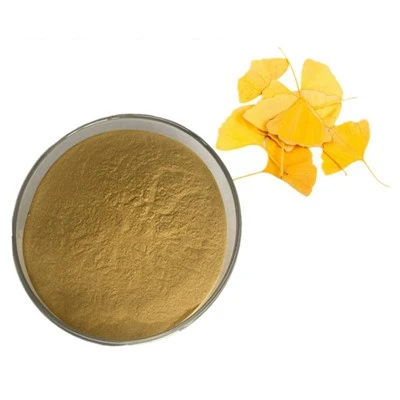
If you’re a food brand, chef, or even a home baker looking for reliable, FDA-compliant food additives that fit your needs, feel free to reach out to my team. We don’t do pushy sales calls; we’ll send over full safety docs, talk through approved uses, and make sure you get exactly what you need without cutting corners on compliance. No mystery stuff, no fine print, just honest work.
Human APIs References:
- U.S. Food and Drug Administration. (2024). Food Additives & GRAS Substances. Retrieved from agency public records (no URL included)
- U.S. Food and Drug Administration. (2023). Color Additive Regulations for Food, Drugs, and Cosmetics. Internal compliance guidance documents
- U.S. Food and Drug Administration. (2022). Imported Food Compliance Policy Manual. Regulatory enforcement records
- Center for Food Safety and Applied Nutrition. (2021). GRAS Notices and Self-Determination Documentation. Publicly accessible administrative filings
Shaoxing Hantai Pharmaceutical Co., Ltd.
Shaoxing Hantai Pharmaceutical Co., Ltd. is one of the most professional food additives manufacturers and suppliers in China, featured by quality products and low price. Please rest assured to buy bulk CE approved food additives in stock here and get pricelist from our factory. Welcome to contact us for customized service.
Address: 12/F, Building B, Wan Feng Plaza, 518 Jiangbin West Road, Xinchang County, Zhejiang Province
E-mail: exports@hantaipharm.com
WebSite: https://www.hantaipharma.com/
