If you’ve ever worked in fencing, agriculture, construction, or rural property maintenance, you know how frustrating it can be to move bulk materials without the right gear. That’s where a single axle fence trailer comes in. For years, my team has supplied these trailers to tradespeople, farmers, and property managers across the country, and I’ve watched firsthand how the right model turns a days-long job into something that takes just a few hours. Today, I’m breaking down exactly what a single axle fence trailer is, how it’s built for the unique demands of fence work, and why it might be the piece of equipment your operation has been missing. Fence Trailer
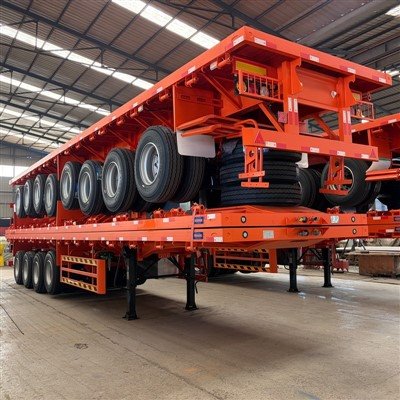
First, let’s get the basics straight: a single axle fence trailer is a lightweight, single-axle (two-wheel) utility trailer purpose-built for transporting fence-specific materials, tools, and equipment. Unlike a standard cargo trailer that’s designed to haul random household items or small loads, these are engineered to carry the heavy, bulky goods you can’t easily move in a pickup bed: rolls of woven wire, wooden fence posts, metal T-posts, concrete mix for fence footings, post-hole diggers, levels, and even small power tools like circular saws or impact drivers. The single axle design differentiates it from dual axle models, which are heavier and require a commercial driver’s license (CDL) in many regions. That makes single axle fence trailers accessible for anyone with a standard driver’s license—no extra training or certifications needed.
Now, let’s talk about how they’re built for fence work, because that’s what sets them apart from generic utility trailers. Fencing jobs have unique logistical pain points, and manufacturers address them with intentional design choices. For starters, their frames are made from high-tensile steel, not the thin steel you’d find on a basic utility trailer. Why? A single roll of woven wire can weigh 500 to 1,000 pounds, and a bundle of 10 wooden fence posts can add another 200. The frame needs to support that weight without bending or warping, especially on uneven rural roads or gravel driveways. Most models also have reinforced side rails—either fixed or fold-down—to keep long items like 8-foot or 10-foot fence posts from sliding out during transport. Some even have adjustable tie-down points spaced every 12 inches, so you can secure loads tight without leaving gaps that let materials shift on rough terrain.
Another key feature is size and weight capacity. Single axle fence trailers are almost always between 10 and 14 feet long, with a load capacity ranging from 2,000 to 3,500 pounds. That’s not as heavy as a dual axle workhorse, but it’s the sweet spot for fence work: it’s light enough to tow behind a half-ton pickup or even a large SUV, but big enough to carry an entire day’s worth of materials for a 1/2-acre or 1-acre fence project. The empty weight of the trailer itself is usually under 1,000 pounds, so total load weight rarely exceeds the 8,000-pound limit that requires a special towing license in most U.S. states. That’s a huge relief for small business owners or hobby farmers who don’t want to invest in a heavy-duty truck to haul their gear.
Towing ease is another big perk of the single axle design. Two-wheel trailers are more maneuverable than four-wheel dual axle models, especially when you’re backing into a tight property gate or navigating narrow country roads lined with trees. For someone who’s used to towing a small camper or a garden trailer, a single axle fence trailer feels almost like an extension of your pickup. It’s also cheaper to operate: single axle models get better gas mileage than dual axle trailers, they require less maintenance (no second axle to service, no extra tires to replace), and insurance for a single axle is often lower too. For tradespeople who are on a tight budget, that adds up to real savings over time.
Now, let’s get into what makes a fence trailer different from a regular utility trailer. I’ve seen customers try to use a standard utility trailer for fence work, and it almost never works out. A basic utility trailer might be fine for moving firewood or small boxes, but it doesn’t have the features for the unique needs of fencing. For example, fence work requires you to access materials quickly on the job site. Many single axle fence trailers have a rear gate that drops down flat, turning the back of the trailer into a small workbench. That means you don’t have to unload the entire bundle of posts to grab one, or fumble with a ladder to reach the top of a load of wire. Some models also have side access doors, so you can reach items from the side without climbing over the load.
Another critical feature is built-in tool storage. Fencing isn’t just heavy materials—it’s a lot of small, easy-to-lose tools: post-hole digger bits, extra nails, tape measures, wrenches, and spray paint for marking post locations. Good single axle fence trailers have weatherproof storage compartments mounted to the frame, either on the sides or under the main deck, so your tools stay dry and secure while you’re driving down a bumpy road. Some even have mounts for post-hole diggers or shovel handles, so you don’t have to tie them to the bed every time. I’ve had customers tell me they lost three tape measures and a set of wrenches before switching to a fence trailer with built-in storage—now they never leave a tool behind.
Let’s also talk about when a single axle fence trailer is the right choice, and when you might want to go for a dual axle. If you’re a hobby farmer who puts up a few hundred feet of fence a year, or a small fencing contractor who does residential jobs under 5 acres, a single axle is perfect. It’s easy to tow, easy to store (you don’t need a large garage or farm shed to park it), and it’s much more affordable than a dual axle model. The average price of a quality single axle fence trailer from a reputable supplier like us is between $2,500 and $4,500, which is a fraction of the cost of a dual axle work trailer. On the other hand, if you’re a commercial fencing contractor doing large jobs (10+ acres, multiple rolls of wire at a time), or you’re hauling very heavy loads like concrete fence panels, a dual axle might be a better fit. But for 90% of the fence work that most people do, a single axle is more than enough.
I’ve heard some myths over the years about single axle trailers, and I want to clear them up. The first is that they’re less durable than dual axle models. That’s not true if you get a quality built one. A good single axle fence trailer is designed with weight distribution in mind, so it doesn’t feel tippy even when loaded to capacity. The axle is mounted in the center of the trailer, not at the back, which keeps the trailer balanced and stable while towing. I’ve had customers use their single axle trailer for 10 years for heavy loads, and it still works as good as new—you just have to make sure you’re not overloading it. The second myth is that you need a heavy-duty truck to tow one. Again, not true. A half-ton pickup (like a Ford F-150, Chevy Silverado 1500, or Ram 1500) can easily tow a 3,000-pound single axle fence trailer, even with a full load of materials. Even a large SUV or a heavy-duty crew cab truck can handle it with ease. The third myth is that they’re only for people who do fence work. That’s not true either—many customers use them for hauling landscaping materials, moving furniture, or even taking small loads to the dump. They’re versatile, but they excel at fence work.
Now, let’s talk about what to look for when you’re shopping for a single axle fence trailer. Not all trailers are created equal, and buying a cheap one from a big-box store might end up costing you more in the long run. First, check the frame: make sure it’s made of 2×3 or 3×3 high-tensile steel, not 1×2 light steel. The welds should be clean, with no cracks or gaps. Second, look at the load capacity: don’t buy a trailer rated for less than 2,500 pounds if you’re going to be hauling wire and posts. Third, check the rear gate: drop-down gates are way more useful than flip-up gates for fence work. Fourth, look for built-in storage and tie-down points—those small features will save you so much time on the job. And finally, buy from a supplier that specializes in fence trailers, not general utility trailers. They’ll know exactly what you need, and they’ll stand behind their product with a warranty.
I’ve seen how a good single axle fence trailer changes the game for people. Last year, I worked with a customer who’s a small fencing contractor in rural Ohio. Before he got his first single axle fence trailer, he was hauling materials in the bed of his pickup, which meant he could only carry one roll of wire and a few posts at a time. He had to make three trips to the supply yard for every job, which added hours to his workweek and cost him money in gas. After he got his trailer, he could carry an entire day’s worth of materials in one trip, and he finished 20% more jobs that year. Another customer is a hobby farmer in Iowa who was putting up a perimeter fence for his goats. He tried a standard utility trailer first, but the posts kept sliding out on the gravel roads, and he lost three posts on his first trip. He switched to a single axle fence trailer with reinforced side rails, and he hasn’t lost a post since. He says it’s the best investment he’s made for his farm in the last five years.

If you’re in the market for a single axle fence trailer, you’re probably tired of wasting time and money on hauls that don’t work for your job. Whether you’re a small fencing contractor, a hobby farmer, a property manager, or someone who does fence work on the side, the right trailer will make your job easier, faster, and cheaper. We’ve been supplying single axle fence trailers to people just like you for years, and we know exactly what you need to get the job done right. If you want to learn more about our models, see the features, or discuss what size would work best for your specific needs, we’re here to help. Reach out to our team to set up a time to chat, ask questions, and get all the details you need to make the right choice for your work.
Fence Semi Trailer References
- American Trailer Manufacturers Association. Trailer Weight and Towing Guidelines for Recreational and Commercial Use. 2022.
- North American Fencing Contractors Association. Essential Equipment for Small-Scale Fencing Projects. 2023.
- U.S. Department of Transportation. Commercial Driver’s License Requirements for Towing Heavy Loads. 2021.
- Farm Equipment Guide. Utility vs. Specialty Trailers for Agricultural Fencing. 2022.
- National Highway Traffic Safety Administration. Single Axle Trailer Stability and Maneuverability Reports. 2023.
Shandong Yuncheng Xinya Trailer Manufacturing Co., Ltd.
Shandong Yuncheng Xinya Trailer Manufacturing Co., Ltd. is one of the most experienced fence trailer manufacturers and suppliers in China, featured by quality products and good service. Please rest assured to buy CE approved fence trailer from our factory. Contact us for customized service and OEM service.
Address: No. 008, Hexie Road, Yangzhuangji Town, Yuncheng County, Heze City, Shandong Province
E-mail: fiona@xinyatrailer.com
WebSite: https://www.china-truckfactory.com/
