Hey there,
If you’ve been working with pipe fittings for any length of time, you’ve probably run into the metric vs. imperial sizing headache. I’m a supplier of other pipe fittings (the kind that aren’t just your basic elbows or tees) and I get it—one of the first questions new and repeat customers hit me with is, “Wait, your fittings come in metric sizes too, right?” Other Pipe Fittings
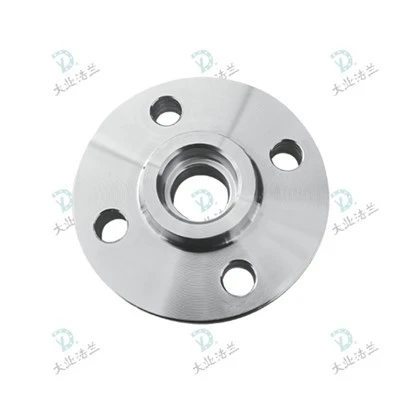
For way too long, people defaulted to imperial (inches, pounds per square inch, all that) for plumbing, industrial piping, and construction stuff. But the world’s shifted, and metric’s everywhere now—from European manufacturing to even a lot of North American facilities that source parts globally. So let’s cut through the confusion: no, not every other pipe fitting we make is metric, but yeah, most of the common and not-so-common ones are, and that’s not some “afterthought” thing we tossed on at the last minute. It’s intentional, because our customers needed it.
First, let’s clarify what “other pipe fittings” even means, just in case you’re new here. The big three that everyone knows are elbows, tees, and couplings. “Other” is everything else: reducers that aren’t the basic straight kind, crosses (four-way fittings), caps, plugs, union fittings, return bends, and those weird custom adapters you need for odd pipe runs. For years, a lot of suppliers only made those in imperial sizes, because that’s all their local market asked for. But as we started shipping to more international clients, and even domestic clients who needed to match metric pipe for repairs or upgrades, we made the call to expand our lineup.
Now, why does metric matter here? Let’s talk real-world scenarios. If you’re a manufacturer in Germany, for example, your pipe systems are almost all metric. If a valve on your production line breaks at 2 a.m., you can’t wait 3 days for an imperial adapter to ship; you need a fitting that matches your 50mm pipe right now. That’s where metric other pipe fittings come in—they let you avoid ordering custom parts that cost 2x as much and take a week to arrive.
Even here in the U.S., more shops are switching to metric because a lot of imported pipe and equipment uses metric dimensions. Last year, we had a client in Texas that was expanding a wastewater treatment plant and had to match existing metric pipes they’d already installed from a Korean supplier. They thought they’d have to fly in a specialized fitting until they contacted us—we had their exact reducer cross in DN 80 x DN 50, no lead time, no extra cost. That’s the kind of win we’re after.
But wait, it’s not just slapping “metric” on a part and calling it good. We do this right, because we know the difference between nominal pipe size (NPS) for imperial and DN (nominal diameter) for metric is not just a number swap. A lot of cheap suppliers mess this up: they’ll make a fitting that “says” DN 10, but the inner diameter is off by a few millimeters, so it leaks. That’s why we test every single metric other pipe fitting we produce. We match both the outer diameter of the pipe and the wall thickness, because even a 1mm difference in wall thickness can cause pressure issues down the line.
Let’s break down the specific types of other pipe fittings we carry in metric sizes, so you know what’s available. First, reducers: not just the concentric reducers you see everywhere, but eccentric reducers, which are super useful when you’re running a pipe that has to stay level (like in drainage systems). We have those in DN 15 up to DN 300, all metric. Then there’s crosses: four-way fittings that are key for branching systems. Most suppliers only make crosses in imperial, but we stock DN 20, DN 40, and DN 60 crosses, because those are the most commonly requested metric sizes.
Union fittings are another big one. Unions let you take apart a pipe system without cutting, which is a lifesaver for maintenance. We have metric unions in both screwed and flanged styles—flanged is huge for industrial piping, because it can handle higher pressure than screwed. Then there are return bends, which turn a pipe 180 degrees. A lot of people don’t ask for these, but when you’re routing pipe around a tight corner or making a loop for heating systems, metric return bends are way easier to source than ordering a custom bent pipe.
We also do custom metric other pipe fittings, if the size you need isn’t in our standard lineup. A client in Canada reached out a few months back with a project that needed a DN 75 x DN 25 adapter plug—something no big supplier carried. We modified our production line to make a small batch, and it cost them half of what the custom import would have. That’s the advantage of working with a smaller, flexible supplier, instead of a huge manufacturer that only runs 10 standard sizes.
Now, I know what some of you are thinking: “I’ve heard metric is less precise than imperial, or that it’s hard to switch between the two.” Let’s bust that myth. The problem isn’t the sizing system—it’s the suppliers that cut corners. A good metric fitting will have tighter tolerances than most imperial ones, because metric is based on a universal standard, not arbitrary imperial measurements. ISO standards for metric pipe fittings mean that a DN 50 fitting from us will fit a DN 50 pipe no matter where in the world you get it, whereas an imperial 2-inch fitting can vary a little between brands. That consistency is a huge deal for long-term piping systems.
Another point: pressure ratings. A lot of other pipe fittings, regardless of size, have to handle high pressure in industrial settings. All our metric fittings are rated for the same pressure as their imperial counterparts, just in metric units. So a 1-inch imperial tee might be rated for 150 PSI, and our DN 25 metric tee is rated for 15 bar (which is almost exactly 150 PSI, for anyone who doesn’t do metric pressure conversions). No, it’s not a direct one-to-one number match, but the performance is identical. That means you don’t have to worry about upgrading your entire system just because you switched to metric fittings.
We’ve run into a few common pain points with customers when they first look for metric other pipe fittings. The biggest one is confusion between nominal size and actual outer diameter. For example, DN 50 pipe has an outer diameter of 57mm, not 50mm—so a lot of first-time buyers will order a DN 50 fitting and be surprised when it’s a little wider than they expected. That’s why our product pages have a size chart that lists both DN and outer diameter, so you can double-check before you order. We also have a customer service team that’s available anytime to walk you through sizing—no phone tree, no automated messages, just real people who know pipe fittings inside and out.
Another pain point is lead time. A lot of suppliers take 4-6 weeks for custom metric fittings, because they have to switch tooling or reorder materials. We keep a stock of common metric other pipe fittings in our warehouse, so most orders ship within 3-5 business days. For custom orders, we can usually turn around a small batch in 10-14 days, which is way faster than the industry average. That’s why we’ve built a loyal client base—they don’t have to wait around for parts that hold up their projects.
Let’s talk about why choosing a supplier that offers metric other pipe fittings is better than trying to make do with adapters. Adapters are a band-aid. If you have a 2-inch imperial pipe and a DN 50 metric pipe, an adapter will connect them, but it adds a weak point. The more connections you have, the more likely leaks are. Using matching metric fittings means your entire pipe system is consistent, so you have fewer leaks, less maintenance, and longer part life. For industrial facilities, that translates to less downtime, which saves thousands of dollars in lost production.
We’ve also had residential customers reach out—odd, right? But a lot of plumbers are starting to work on older homes that were retrofitted with metric parts, or new construction projects in areas that use metric piping. A plumber in Chicago told us last year that he had a job where the client’s new furnace had metric pipe connections, and he couldn’t find a metric adapter locally. We shipped him a DN 40 plug and a DN 20 nipple, and he had the job done in an hour, no extra trips to the store. That’s the kind of small, everyday win we love.
Now, if you’re still on the fence about metric other pipe fittings, let’s cover the basics of what’s available from us, just to make it concrete. Our standard metric lineup includes:
- Eccentric reducers: DN 15 x DN 10 up to DN 300 x DN 250
- Cross fittings: DN 20, DN 40, DN 60 (standard straight and reducing crosses)
- Flanged unions: DN 25, DN 50, DN 80, 150 PSI rating
- Return bends: DN 15 up to DN 100, screwed style
- Caps and plugs: DN 10 up to DN 200, both screwed and flanged
And like I said, we can make almost any other metric other pipe fitting you need, as long as you have the specs. We work with stainless steel, carbon steel, brass, and even PVC if that’s what your project requires. The key is that we test every part, no exceptions, to make sure it fits and works as it should.
I know there’s still a lot of confusion out there about metric pipe fittings, and a lot of suppliers will try to tell you that “metric is too complicated” or that they don’t offer it because it’s not worth the effort. But for us, it’s worth it because our customers need it. Whether you’re a big industrial manufacturer, a small plumbing company, or a DIYer working on a home project, having access to the right metric other pipe fittings makes your job easier.
If you’ve been searching for a supplier that actually has the metric sizes you need, not just imperial ones with a “metric sticker” slapped on, we’re your guys. No hidden fees, no misleading sizing, just fittings that work. All you have to do is reach out to us with your requirements—tell me what size, what type, what material, and I’ll hook you up with a quote. No long forms, no confusing pricing tiers, just straight talk about what you need and what it’ll cost.
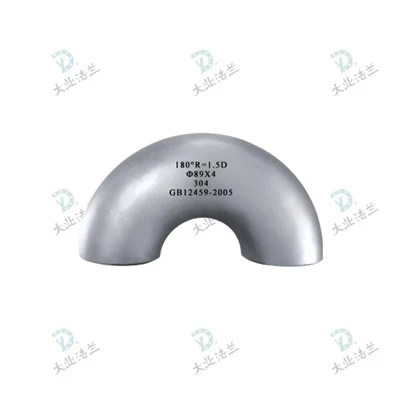
So don’t let sizing headaches slow down your project. Metric other pipe fittings are available, and they’re not just a gimmick—they’re a practical solution for a lot of piping needs. And if you’re looking for a supplier that actually stands behind their parts (we offer a 1-year warranty on all standard fittings, by the way), you know where to find us. Hit us up to discuss your piping requirements, and let’s get your project on track.
Pipe Fitting Elbow References
- International Organization for Standardization. (2022). ISO 2531: Ductile iron pipes, fittings, accessories and their joints for water applications.
- American Society of Mechanical Engineers. (2021). B16.9: Factory-made wrought steel butt-welding fittings.
- Pipe Fabrication Institute. (2020). Engineering Standards for Pipe Fittings and Fabrications.
- European Committee for Standardization. (2022). EN 10253: Welded steel pipe fittings for pressure purposes.
Zhejiang Daye Flange Co., Ltd.
Zhejiang Daye Flange Co., Ltd. is one of the most experienced pipe fittings manufacturers and suppliers in China. With a professional production team, we offer a wide range of flanges with superior quality and competitive price. Welcome to buy CE approved pipe fittings in stock here and get pricelist from our factory. We also accept customized orders.
Address: Headquarter: 8, Gangqiang Road, Yongxing Street, Longwan District, Wenzhou City, Zhejiang Province, China
E-mail: sales@dayeflange.com
WebSite: https://www.daye-flange.com/
