If you’ve ever walked through a commercial building, manufacturing plant, or even a large residential development with exposed plumbing, chances are you’ve seen them—metal brackets holding pipes neatly in place, preventing them from shifting, sagging, or banging against walls or floors. As a supplier of pipe support brackets, I get asked this question all the time: “What is a single pipe support bracket, exactly, and why does it matter?” It’s a fair question, because when you’re focused on the big picture of plumbing or piping systems, small components like this can feel easy to overlook. But the truth is, a single pipe support bracket is one of the unsung heroes of piping infrastructure, and choosing the right one can make or break a project’s safety, longevity, and cost-effectiveness. Pipe Support Brackets
Let’s break it down simply, starting with the basics. A single pipe support bracket, as the name implies, is a hardware component designed to hold one individual pipe in place. Unlike multi-pipe brackets that secure two or more pipes together, this bracket is purpose-built for a single line, giving it a specialized role. It’s not just a hunk of metal nailed to a wall; it’s engineered to bear the weight of the pipe and its contents, absorb movement, and protect both the pipe and the surrounding structure from damage.
First, let’s talk about the core design that makes these brackets work. Most single pipe support brackets are made from materials like steel, stainless steel, or galvanized iron, depending on the environment they’ll live in. For example, galvanized steel is a popular choice for indoor plumbing in commercial or residential buildings because it resists rust and corrosion from everyday moisture. Stainless steel, on the other hand, is ideal for outdoor applications or industrial settings where the bracket will be exposed to harsh chemicals, extreme temperatures, or high humidity. Some specialty brackets even use PVC or heavy-duty plastic for light-duty applications, but metal is by far the most common because of its strength and durability.
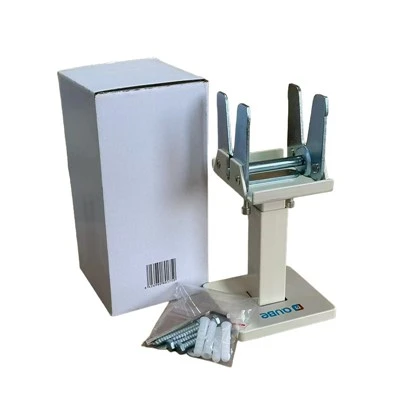
The typical structure of a single pipe support bracket has a few key parts: a base (the flat section that attaches to a wall, ceiling, or floor), a curved or U-shaped cradle that wraps around the bottom half of the pipe, and one or two fastener holes to secure the bracket in place. The cradle isn’t just a simple curve, though—it’s usually sized to fit a specific pipe diameter, ranging from small ½-inch pipes for residential water lines up to heavy 24-inch pipes for industrial sewage systems. A good bracket will have a snug, custom fit, which prevents the pipe from shifting side to side or falling out of the cradle under normal use.
Now, why does a single pipe support bracket matter so much? Let’s think about what would happen if you skipped them entirely. A 10-foot steel water pipe full of water can weigh hundreds of pounds. Over time, that weight will cause the pipe to sag in the middle, which can lead to cracks, leaks, or even burst pipes. Sagging also puts extra stress on the pipe’s joints, which can loosen or fail, resulting in costly water damage. Then there’s movement: pipes expand and contract with temperature changes. A hot water pipe, for example, will expand when it’s turned on and contract when it cools off. Without a support bracket that allows for that movement, the pipe will pull on its connections, causing leaks or structural damage to the building.
Single pipe support brackets also prevent “water hammer”—that loud, banging noise you hear when a water valve closes suddenly. When water slams to a stop, it creates a shock wave that travels through the pipe. A bracket that secures the pipe firmly in place absorbs that shock, so the noise doesn’t echo through walls and the pipe doesn’t get damaged. For industrial settings, where piping carries chemicals, steam, or high-pressure gases, this is even more critical. A loose pipe can rupture, leading to safety hazards, downtime, and expensive repairs.
From a supplier’s perspective, I can tell you that choosing the right single pipe support bracket isn’t a one-size-fits-all decision. There are different types designed for specific applications, and getting the wrong one can lead to big problems. Let’s go over the most common types you’ll encounter.
First, there’s the standard riser clamp bracket, which is designed for vertical pipes (pipes that run straight up and down). This bracket is attached to a floor or ceiling, and its cradle holds the pipe in place as it rises. It often has a hinge or a set screw that lets you tighten it around the pipe, ensuring a secure fit. Riser clamps are super common in multi-story buildings, where vertical pipes run from the basement to the roof.
Then there’s the horizontal pipe bracket, made for pipes that run along walls or ceilings. These have a flat base that mounts to the wall or ceiling joists, and a curved cradle that holds the pipe from below. Some horizontal brackets are designed to be “sliding” brackets, which allow small amounts of movement when the pipe expands or contracts, while others are fixed brackets that hold the pipe firmly in place. For hot water systems, sliding brackets are important because they let the pipe move without putting stress on the joints.
Another type is the clevis hanger bracket, which is used for heavy pipes, especially in industrial or commercial plumbing. A clevis hanger has a U-shaped metal piece (the clevis) that wraps around the pipe, attached to a vertical rod that mounts to the ceiling or floor. This design is strong enough to support heavy loads, like large sewage pipes or steam lines, and it can adjust to accommodate different pipe diameters and support heights.
There are also specialty single pipe support brackets for extreme environments. For example, insulation jackets are often used with brackets in cold areas, to keep pipes from freezing. A bracket that holds an insulated pipe needs to have a wider cradle, or a design that doesn’t compress the insulation around the pipe. For outdoor applications, corrosion-resistant brackets are a must—galvanized or stainless steel prevents rust, which would weaken the bracket over time and lead to pipe damage.
Now, let’s talk about the mistakes I see people make when choosing a single pipe support bracket. The biggest one is buying a bracket that’s too small or too big for the pipe. If the bracket’s cradle is smaller than the pipe, it won’t fit, and if it’s too big, the pipe can shift around, leading to sagging or water hammer. Another common mistake is using the wrong material. A plastic bracket for a heavy industrial pipe will break under the weight, and a galvanized bracket in a chemical processing plant will corrode quickly, leading to failure.
I also often see projects where people space brackets too far apart. The general rule of thumb is that for horizontal pipes, brackets should be spaced every 4 to 8 feet, depending on the pipe size and material. Larger pipes, or pipes carrying heavy contents, need closer spacing to prevent sagging. Vertical pipes need brackets spaced every 10 to 12 feet to keep them stable, especially in multi-story buildings.
As a supplier, I work with contractors, architects, and plant managers every day to pick the right single pipe support bracket for their projects. What I’ve learned is that the best bracket isn’t just the cheapest one—it’s the one that’s engineered for the specific application. For a residential bathroom, a standard galvanized horizontal bracket is perfect. For a food processing plant with stainless steel pipes, a matching stainless steel clevis hanger is the right choice. For an outdoor sprinkler system, a PVC or galvanized bracket that resists UV damage and rust will last for years.
What sets a good pipe support bracket apart from a cheap one is the attention to detail. A high-quality bracket will have smooth edges, no sharp corners that can scratch or damage the pipe, and consistent dimensions that ensure a tight fit. It will also be load-rated, meaning it’s tested to support a specific weight, so you know it can handle the pipe and its contents. A cheap bracket might look the same at first, but it will bend, crack, or rust quickly, leading to costly repairs down the line.
Let me give you a real example of why this matters. Last year, a commercial contractor came to me with a problem: the water pipes in a new office building were leaking after just six months. When we inspected the pipes, we found that the brackets installed were too small for the pipe diameter, so as the pipes expanded from hot water, they pulled on the joints and caused cracks. The contractor had used cheap, generic brackets that didn’t match the pipe size, and the result was thousands of dollars in repairs and downtime. By switching to properly sized, load-rated single pipe support brackets, we fixed the problem and ensured the pipes would hold up for decades.
Another example: an industrial plant I work with had a steam line that kept making loud banging noises and vibrating so much that it was loosening valve connections. We installed sliding horizontal pipe brackets designed to absorb the movement from the hot steam expanding and contracting. Within a week, the noise stopped, and the valve connections stayed secure, saving the plant from potential shutdowns and safety hazards.
So, if you’re working on a project—whether it’s a new home, a commercial building, or an industrial facility—don’t overlook the single pipe support brackets. They’re small, but they play a huge role in the safety and functionality of your piping system. The right bracket will prevent leaks, reduce noise, extend the life of your pipes, and save you money on repairs down the road.
At the end of the day, a single pipe support bracket is more than just a metal piece that holds a pipe up. It’s a critical component that ensures your plumbing or piping system works as it should, in any environment. Whether you’re a contractor looking for bulk supplies, an architect specifying components for a new build, or a facility manager maintaining an existing system, choosing the right single pipe support bracket is a decision that pays off for years.
If you’re unsure which single pipe support bracket is right for your project, or you’re ready to source high-quality, durable brackets for your next job, I’m here to help. Reach out to our team to discuss your requirements, and we’ll work with you to find the perfect solution for your piping needs.
Spray Coating Equipment References
Plumbing Engineering Design Handbook, Volume 2: Piping Systems and Components. American Society of Plumbing Engineers.
ASTM A123/A123M-18, Standard Specification for Zinc (Hot-Dip Galvanized) Coatings on Iron and Steel Products. ASTM International.
Piping Support Systems: Design, Selection, and Installation. Crane Technical Paper No. 410, Crane Co.
Wanyuan Yuanwei Automation Equipment Co., Ltd.
With abundant experience, we are one of the most professional pipe support brackets manufacturers and suppliers in China. Please feel free to wholesale high quality pipe support brackets for sale here from our factory. Good service and punctual delivery are available.
Address: No.392, Wanbai Road, Baisha Town, Wanyuan City, Dazhou City, Sichuan Province
E-mail: wanyuanyuanwei@outlook.com
WebSite: https://www.yuanweiautomation.com/
