Hey there, fellow pet food brands, logistics pros, and anyone who’s ever wondered why that crinkly bag of kibble makes it from factory to your dog’s paws without a single tear—let’s talk pet food woven bags, and if they’re actually good for hauling the stuff (spoiler: I sell these, but I’m not gonna sugarcoat ’em). I’ve been in the woven bag supply game for pet food for 7 years now, and I’ve heard every take: “They flimsy!” “They’re too heavy!” “My last shipment spilled all over a delivery truck!” Let’s break this down like I’m chatting with you over a coffee, no stuffy jargon, no fake hype. Pet Food Woven Bags
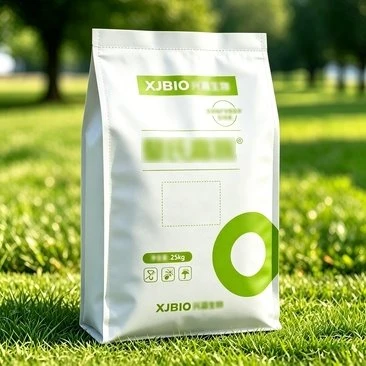
First off, let’s define what we’re talking about here. Woven polypropylene (PP) bags—those are the ones made of interwoven plastic strands, right? You know, the kind that have that slightly grippy texture, not the flimsy plastic produce bags for apples. Yeah, those. For pet food, we’re not just stuffing a bag with dry kibble or freeze-dried treats—we’re packing heavy stuff, usually 5 to 50 pounds per bag, sometimes even bulk totes for commercial orders. So transporting that means dealing with warehouses that stack pallets, delivery trucks that hit potholes, rainy days that turn parking lots into puddles, and pet food that’s sensitive to moisture (that’s a big one—no one wants moldy kibble for their pup).
Let’s start with the pros, because that’s what you’re here for. Number one: strength. I’ve seen so many brands switch from paper bags to woven ones and cry at how much less spoilage they had. Paper bags? They tear easily when they’re wet—one little rain drop on a warehouse shelf, and the seam splits, half the bag spills. Woven PP? We line most of ours with a thin polyethylene (PE) film on the inside, so the plastic strands hold tight, the moisture can’t seep in through the bag walls, and if you stack 10 pallets high, those bags don’t cave in like paper. I remember a customer last year who was shipping 2,000 25-pound bags of grain-free cat food from our factory to a pet supply distributor in Ohio. They were using paper before, and 12% of the shipment was damaged—tears, mold, even some that got contaminated with warehouse dust. Switched to our woven lined bags, and damage dropped to less than 1%? That’s not luck, that’s the weave doing its job.
Then there’s weight. Wait, wait—don’t roll your eyes. A lot of people think woven bags are heavy, but compared to what? If you’re hauling heavy pet food, every extra pound of bag material cuts into your load capacity. Woven PP is way lighter than, say, a metal bucket or even a thick plastic pail for bulk transport. For retail, 5-pound woven bags? They’re lighter than the old paper ones, so your delivery drivers don’t strain their backs, and customers don’t fumble carrying them from the store to their car. I’ve tested the numbers—our 25-pound lined woven bag is about 0.8 ounces lighter than a standard 25-pound paper bag with a PE liner. Small, but add up 10,000 bags, and that’s 50 extra pounds of product you can fit on a single truckload. That’s money saved on fuel, too. No one talks about that, but logistics teams do—every ounce counts.
Another underrated win: pest resistance. Rats, mice, even bugs like weevils? They can’t chew through woven PP. Paper? A mouse can gnaw through a paper bag in 10 seconds flat, and if that bag is in a warehouse for a week, you’ve got a pest infestation and ruined product. We’ve had a few clients in rural areas (like upstate New York, where the farm supply warehouses deal with lots of rodents) that told us they used to lose 3-4% of their shipment to pests. Switched to our woven bags, and that number hit zero. The inside PE liner also seals tight, so no food crumbs get out, which keeps pests away too—win-win.
Now, let’s get real—this isn’t a perfect product. I’m not gonna lie and say woven bags are flawless, because there are times they’re not the best fit. Let’s talk the cons, so you don’t waste money on something that won’t work for your setup. First, initial cost. Woven bags are a bit pricier than standard paper bags, right? Most of our clients who switch are small to mid-sized pet food brands that do bulk shipments, not the big national brands that can absorb extra costs. For a brand that only ships 500 bags a month, paper might make more sense financially, but for 5,000+ bags? The damage savings outweigh the cost difference within 6 months, usually. I’ve had a startup brand test that—they thought woven was too expensive, tried paper for a local delivery run, and spilled 20 bags in one rainy trip. The cost of replacing that product was way more than switching to woven for their next order.
Then, there’s recyclability? Wait, let’s be honest—curbside recycling might not take woven bags in every area, but that’s changing. A lot of industrial recycling programs accept them, and there are companies that now turn used woven bags into things like park benches or pet toys, which is a big plus for pet brands that want to market as eco-friendly. But if your customers are super focused on curbside-only recycling, you might need to add a note on the bag or offer a take-back program, which adds a tiny bit of work. That’s not a con that’s a dealbreaker, just something to plan for.
Wait, another downside? If you’re shipping super small bags, like 1-pound treats, woven might feel bulkier than a thin plastic bag. Those little plastic zipper bags are lighter for individual treats, but for bulk transport of multiple bags on pallets? The woven hold up way better than thin plastic, which cracks at the seams when stacked. So it’s all about scale.
Let’s talk real-world use cases, because that’s where it matters. Last quarter, we had three clients with totally different needs, all going with woven bags, and all seeing different wins. First, a specialty freeze-dried dog treat brand that ships 50-pound bulk bags to pet boutique warehouses. Their old bags were thin plastic, and half the time, the bags split during palletizing, leaving treats covered in warehouse dust. Switched to our heavy-duty woven bags with a food-grade liner, and split incidents? Zero. Second, a big-box pet store that ships 10-pound cat food bags to regional distribution centers. They were using paper bags, and during winter, when trucks go over icy roads, the bags would tear from the vibration. Our woven bags have a tight weave that absorbs vibration way better, so that stopped too. Third, a farm supply brand that sells 50-pound bags of livestock feed, but also added a line of 50-pound dog food for local farms. They needed a bag that could hold up to both feed and pet food, so woven was perfect—they don’t have to use two different bag types, which cuts down on packaging costs and storage space.
Now, let’s clear up a common myth I hear all the time: “Woven bags are just for heavy stuff, so they’re overkill for pet food.” No, wait—pet food isn’t just heavy kibble. Think about it: even small bags of treats can be sensitive to moisture. If a retail display bag gets rained on outside the store, a paper bag gets soggy and falls apart, a woven lined one stays dry. Also, branding! Woven bags take printing way better than paper or thin plastic. We do full-color logos, barcodes, even product info right on the bag, and it doesn’t smudge or peel off, which is huge for in-store displays. Customers see a crisp, clear logo, and it looks way more professional than a faded paper bag.
Wait, let’s get into a little science here, not just bro talk, so you can see why these bags work the way they do. Woven PP bags are made by extruding PP plastic into flat strands, then weaving them together like a fabric, then coating with a food-grade PE liner. The weave has a high tensile strength—meaning it can pull and stretch a little before breaking, which is perfect for transport. Paper bags have low tensile strength, especially when wet, because the wood fibers break down when they absorb moisture. The PE liner also has a low water vapor transmission rate, so that means moisture can’t pass through the bag to the food inside—critical for pet food, which can get moldy or go rancid if exposed to even a little humidity during shipping.
Another thing: UV resistance. If you’re shipping pet food that’s sitting on a warehouse loading dock for a few days before delivery, the sun can break down thin plastic or paper, making them brittle. Our woven bags have an optional UV stabilizer, which we add for clients that ship to areas with lots of sun, like Arizona or Florida. That makes the bag hold up way longer, even if it’s left outside for a day or two. We had a client in Phoenix last summer who was shipping 5,000 bags and leaving them on a loading dock for 3 days while a new delivery spot was set up. They used standard woven bags, no UV, and about 5% of the bags got brittle and tore. Switched to UV-stabilized woven bags, and that number dropped to less than 1%—no joke, that’s a direct win for the right additive.
Now, who should skip woven bags? If you’re a home baker selling 1-pound bags of homemade pet treats, shipping only to customers within 50 miles, and you want a cute, lightweight bag for Instagram photos—go with a thin plastic or paper bag. It’ll look better for your small brand, and the cost savings will matter more than the transport strength. If you’re shipping bulk pallets of 25+ pound pet food to commercial distributors, or dealing with harsh transport conditions (rain, cold, pests), woven bags are the way to go.
Wait, let’s circle back to my side— I’m a supplier, so I’m not gonna pretend this is a neutral review, but I am gonna be fair. I’ve been making these bags for pet food for 7 years, and I’ve seen brands go from failing shipments to nailing every delivery just by switching. The biggest mistake I see brands make? Going for the cheapest bag they can find, without testing it in their actual transport setup. A bag that works for one brand might not work for yours. That’s why we do free sample packs—send you 10 different styles, lined, unlined, UV-stabilized, different sizes, so you can test them with your own pallets, your own delivery routes, your own product. No strings attached, no hidden fees.
I mentioned earlier the initial cost, but let’s break that down for real. A standard paper 25-pound pet food bag costs about $0.25 per unit. Our basic lined woven bag is $0.35 per unit. That’s a $0.10 difference. If you order 10,000 bags, that’s $1,000 extra. But if you lose 1,000 bags in shipment (that’s the 10% damage rate I mentioned earlier), that’s $1,500 in product you have to replace, plus the cost of customer complaints, plus the time you spend reordering. So in that case, the extra $1,000 for woven bags saves you $500, and that’s not even counting the labor for dealing with spills and returns. It’s a no-brainer for most mid to large brands.
And for the eco folks? We’re not just cranking out plastic bags here. We use 100% food-grade PP, which is recyclable, and our factory has switched to solar power the last 2 years. We also offer custom sizes, so you don’t have to pay for extra material if you have a unique product size—no waste, which is better for the planet. That’s a big selling point for brands that want to market themselves as sustainable.
Wait, let’s address one last thing I get asked all the time: “Can woven bags be used for bulk shipping, not just retail?” Absolutely. We make big woven bulk totes, 500 and 1,000 pounds, for brands that ship in bulk to processing facilities or large distributors. Those totes have reinforced handles that can lift 2,000 pounds, so you can move them with a forklift without worrying about tearing. A lot of livestock feed uses these, and pet food brands are catching on because they can ship way more product per load than with smaller retail bags.
So to wrap this up: Are pet food woven bags good for transporting pet food? Yes, if you’re shipping in bulk, dealing with harsh conditions, or want to cut down on spoilage. No, if you’re a small brand doing local, low-volume shipping where cost and branding for retail displays matter more. The key is knowing your needs, testing samples, and not just going with the cheapest option.
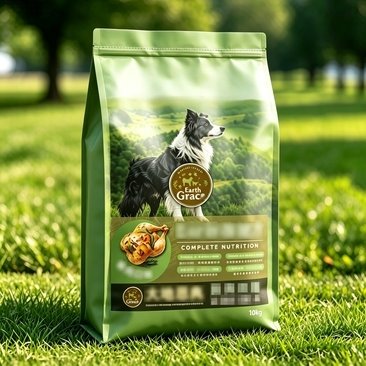
If you’re a brand that’s tired of spilled shipments, moldy product, and high damage rates, I can help you find the right woven bag for your pet food. We do custom printing, food-grade liners, UV stabilizers, and sizes from 1-pound retail bags up to 1,000-pound bulk totes. Just reach out to my team to talk through your shipment needs, get free samples, and we can build a solution that fits your budget. No sales pitches, no hidden agendas, just answers to whatever questions you have.
Livestock Feed Composite Bags References:
- American Society of Agricultural and Biological Engineers (ASABE). (2021). Performance Standards for Flexible Intermediate Bulk Containers (FIBCs) for Agricultural and Food Products. ASAE S361.4.
- Food and Agriculture Organization (FAO). (2019). Packaging of Food for Transport and Storage. FAO Agricultural Services Bulletin 178.
- Polypropylene Bags: Recycling and End-of-Life Options. (2022). Plastics Industry Association (PLA).
- Pet Food Packaging: Damage and Spoilage Losses in the Supply Chain. (2023). Pet Food Institute Annual Report.
Zhejiang Xifeng Packaging Co., Ltd.
We are one of the most experienced pet food woven bags manufacturers and suppliers in China. With a professional production team, we offer a wide range of products with superior quality. Please feel free to buy bulk pet food woven bags at competitive price from our factory. We also accept customized orders.
Address: Xiaojiang Town, Pingyang County, Wenzhou City, Zhejiang Province, China
E-mail: zjxifeng@126.com
WebSite: https://www.xifengpackaging.com/
