If you’ve ever shopped for flooring, you’ve probably seen PVC floors everywhere—big box stores, renovation shows, even local hardware shops. For years, I’ve been a PVC floor supplier, and one question still comes up more than any other: Is PVC floor environmentally friendly? I get it; sustainability isn’t just a buzzword anymore. Customers want to know their choices don’t cost the planet later, and I don’t blame them. But the answer isn’t a simple yes or no. It’s messy, like most things in building materials. Today, I want to break this down straight, no sales spin, just what I’ve learned from decades in this business and the data I rely on to pick the right products for my customers. PVC Floor

First, let’s clear up what PVC actually is. PVC stands for polyvinyl chloride, a synthetic plastic made from two main ingredients: salt (from sodium chloride) and ethylene (derived from natural gas). For a long time, people assumed all plastics are bad, but that’s not the full story. The problem with early PVC products was that they had toxic additives—phthalates, lead, cadmium, even mercury, used to soften the material and extend its life. Back in the 1970s and 80s, those additives were standard, and that’s the legacy that stuck with PVC floors as an eco enemy. But today, modern PVC manufacturing rules have changed, and the products I supply are a far cry from those old floors.
Let’s start with the positives because PVC has some real environmental wins over other flooring options. Take raw material efficiency. Compare PVC to hardwood floors, for example. To make one square foot of hardwood, you need roughly 1.5 square feet of tree, plus the energy to mill, dry, and ship it. PVC? It’s a dense material, so you get more finished flooring per pound of raw material. Even better, most PVC floors today are made with recycled content. I sell lines that use up to 30% post-consumer PVC scrap—old window frames, pipe, even discarded flooring from demo projects. That keeps plastic out of landfills where it would take hundreds of years to break down. And because PVC is lightweight, it cuts transportation emissions: a truckload of PVC floors weighs half as much as the same amount of hardwood, so less fuel burned to get it to your job site.
Then there’s durability. Good PVC floors last 20 to 30 years, sometimes longer with proper maintenance. That’s a big deal for sustainability because flooring is a major waste source. Every year in the U.S. alone, around 9 billion pounds of flooring ends up in landfills, according to the EPA. If you pick a low-cost, thin laminate that scratches easily and needs replacement every 7 to 10 years, that’s double the waste. A PVC floor that holds up to foot traffic, spills, and pet claws means less disposal over time. I’ve had customers tell me their PVC floors are still going strong after 25 years in a busy family home—way longer than the vinyl-asbestos floors of the 90s, but also longer than many of the “sustainable” options they replaced, like solid wood that warps in bathrooms or carpet that traps dust and needs frequent cleaning.
But here’s the catch: even with those wins, PVC has flaws, most of which tie back to manufacturing and end-of-life disposal. The early reputation for toxicity isn’t entirely unfounded, even today. When PVC is burned, whether in a landfill fire or an improper waste incinerator, it releases hydrochloric acid and dioxins—carcinogenic chemicals that are harmful to human health and the environment. That’s a big red flag. And for a long time, PVC wasn’t designed for recycling. Most recycling centers won’t take old flooring because it’s mixed with other materials—adhesives, decorative layers, backing—making it hard to process. For years, only a small fraction of PVC flooring was recycled, most of it being sent to landfills. That started to change in the 2010s with take-back programs, but it’s still not perfect.
Another point people often miss: the lifecycle emissions of PVC. Studies from the Vinyl Institute, a trade group, and independent research at the University of California have found that cradle-to-gate (from raw material extraction to finished product at the factory) emissions for PVC are lower than many other plastics, but when you add in end-of-life, it’s a mixed bag. If PVC is recycled or reused, its lifecycle carbon footprint drops by 30% or more, according to a 2022 life cycle assessment (LCA) published in the Journal of Cleaner Production. But if it’s landfilled, the footprint is higher because plastic leaches chemicals into soil and groundwater over time, and it doesn’t biodegrade.
So how does PVC stack up against other flooring types, like solid hardwood, carpet, or linoleum? Let’s do a real side-by-side, not the marketing versions. Solid hardwood: It’s natural, but making it requires cutting trees, many of which come from old-growth forests or fast-growing monocultures that deplete soil and biodiversity. If you source it from a responsibly certified forest, that’s better, but it still has higher transportation emissions and higher water use for milling. Carpet: Most carpet is made from nylon or polyester, both plastics. The average carpet lasts 10 to 15 years, and most ends up in landfills because it’s hard to separate from backing and adhesives. Some carpet is made from recycled plastic bottles, but the production process uses lots of water and toxic dyes, and it traps allergens that require frequent chemical cleaning. Linoleum: That’s made from natural materials—linseed oil, wood flour, resin. It sounds perfect, but it’s more expensive than PVC, less durable in high-traffic areas, and it can release volatile organic compounds (VOCs) as it breaks down, especially in poorly ventilated spaces.
I won’t pretend PVC is the “perfect” green flooring. But it’s one of the most practical sustainable options for a lot of projects, which is why so many architects and builders now specify it for commercial spaces—schools, hospitals, offices—because it’s low-VOC, easy to clean, and long-lasting. Wait, low-VOC? That’s another big point. Modern PVC floors don’t have the harsh chemical smells that old products had. The lines I carry meet strict EPA Indoor airPLUS standards and have been third-party tested for VOC emissions, meaning they’re safe for people with allergies or respiratory issues. That wasn’t true 20 years ago, but regulatory changes in the EU and U.S. have forced manufacturers to phase out harmful additives. I only carry products that have third-party certifications like FloorScore and GREENGUARD Gold, because I’ve seen too many cheap PVC floors on the market that cut corners on safety.
The biggest misconception I still hear is that PVC isn’t recyclable. That’s outdated. Today, there are multiple programs that take old PVC flooring, strip it down, and turn it into new products—new flooring, pipe, even playground surfaces. For example, the Resilient Floor Covering Institute (RFCI) runs a program that has recycled over 1 billion pounds of PVC flooring since 2000. Some of the products I supply are part of that program, so when my customers’ floors reach the end of their life, they can send them back for recycling instead of throwing them away. That’s a game-changer. It means the PVC floor you install today doesn’t have to become waste tomorrow.
But there’s still work to do. End-of-life recycling infrastructure for PVC is still limited, especially in smaller cities and rural areas. A lot of recycling centers don’t accept it because they don’t have the equipment to process it, so it’s up to suppliers like me to educate customers and connect them with take-back programs. Also, there’s the issue of production waste. My factory generates about 5% scrap during manufacturing, but we send 100% of that scrap back to the PVC processor to be reused in new flooring. That’s a big improvement from 10 years ago, when we used to send most of it to the landfill. It’s not zero waste, but it’s a step in the right direction.
At the end of the day, sustainability isn’t about picking one perfect product. It’s about making the best choice for your specific project, balancing durability, cost, environmental impact, and human health. For a family renovating their home, a PVC floor is often more eco-friendly than hardwood that requires cutting a tree, or carpet that needs regular cleaning and frequent replacement. For a school with 1,000 kids running in and out, a durable, low-VOC PVC floor makes more sense than a linoleum that scuffs easily and needs constant repairs. For businesses that want to reduce their waste footprint, PVC’s recyclability makes it a strong candidate.
I’ve been in this business long enough to see trends come and go. The “green flooring” hype a decade ago pushed a lot of untested products that ended up being less sustainable than they claimed. But PVC has evolved. It’s no longer the toxic plastic it was in the 80s and 90s. It’s durable, low-VOC, and now has a growing recycling network that keeps it out of landfills. Is it perfect? No. But it’s one of the most viable, practical eco-friendly flooring options on the market today.
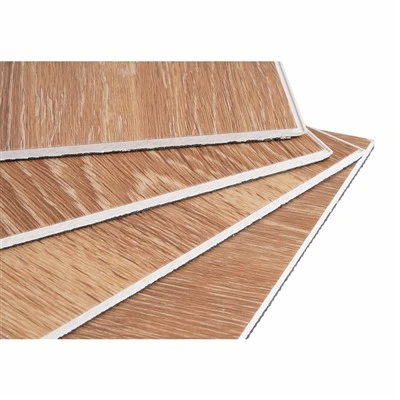
If you’re considering a PVC floor and want to learn more about the specific products I carry—their certifications, recycled content, and end-of-life programs—reach out to my team to start a conversation. We can walk you through the options, answer any questions about sustainability, and help you pick the right floor for your project that aligns with your environmental values.
PVC References
U.S. Environmental Protection Agency. (2021). Construction and Demolition Debris Management: Flooring Waste.
Journal of Cleaner Production. (2022). Cradle-to-Gate Life Cycle Assessment of Resilient Flooring Materials: A Comparative Analysis.
Resilient Floor Covering Institute. (2023). National PVC Flooring Recycling Program Annual Report.
Vinyl Institute. (2022). PVC Sustainability Report: Lifecycle Impacts and Circular Economy Initiatives.
University of California, Santa Barbara, Environmental Science Management Program. (2021). Toxicity and Emissions of Modern Resilient Flooring Materials.
Shandong Diman International Trade Co., Ltd.
As one of the most professional pvc floor manufacturers in China, we have world-leading production equipment and strong manufacturing capabilities. Please rest assured to buy high quality pvc floor made in China here from our factory. Customized orders are welcome.
Address: Lanshan District, Linyi City, Shandong Province, China.
E-mail: hkshangmao@gmail.com
WebSite: https://www.dimanwpc.com/
