Hey there, it’s Jake from Specialty Folding Cartons – you know, the guy you shoot a quick text to when you need packaging that doesn’t just hold stuff, but looks like it belongs on a premium shelf. I get a ton of questions in my inbox (and even at trade show booths, when folks are holding a sample of a custom carton and squinting like they’re trying to decode a secret message) – and one that comes up more than any other lately is: “Wait, can you actually print metallic inks on specialty folding cartons?” Specialty Folding Cartons
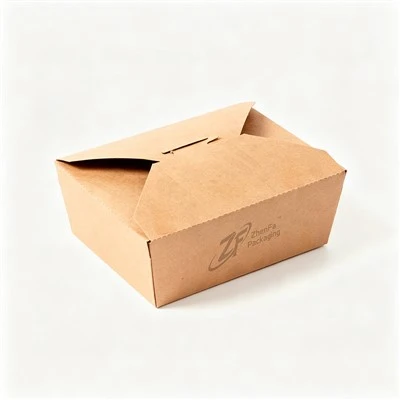
Let me cut to the chase here. For years, people wrote this off as a weird, niche ask – like trying to put a gold-plated sticker on a cereal box that’s made to fold flat. But here’s the thing: brands don’t want boring packaging anymore. They want to stand out. If you’re selling high-end candles, craft spirits, or artisanal skincare, a plain matte carton just doesn’t do the trick. That’s where metallic inks come in. But it’s not just “can you do it” – it’s how you do it right, without making the carton warp, smudge, or cost way more than it should.
First, let’s talk about what makes a specialty folding carton different from, say, a regular old corrugated box you get for shipping Amazon packages. Specialty cartons are usually made from finer, sturdier paperboard – things like SBS (Solid Bleached Sulfate) for that super smooth, white finish, or clay-coated paperboard for a really even surface. These aren’t the flimsy stuff that bends if you look at it wrong. That’s key for metallic inks, because those inks don’t play nice with rough, uneven surfaces. If your carton’s got little fibers sticking out or a bumpy texture, the metallic pigments (the tiny flecks of aluminum, gold, or copper that give that shine) won’t lay flat. They’ll clump up, and you’ll get that streaky, uneven look that makes your brand look cheap – not premium.
So yeah, you can print metallic inks – but only if you match the ink to the carton material, and get the process right. I’ve seen brands try to cut corners here: they’ll grab a cheap metallic ink that’s meant for t-shirts, dump it on a random paperboard, and wonder why their carton fell apart after folding for the 100th time. Specialty folding cartons are meant to fold repeatedly, right? They’re not just a static label. If the ink isn’t formulated to flex with the carton, it’ll crack when you fold the box shut, and all that metallic shine will turn into a gross, flaky mess. That’s a quick way to make a customer ditch your product for something that looks better.
Now, let’s break down the good stuff – what happens when you do it correctly. I worked with a small craft gin brand last year that wanted a carton with a gold metallic front panel, and a silver foil accent on the side. We started with 18pt SBS board – that’s a standard for premium cartons, thick enough to feel solid in your hand, but not so thick that it’s a pain to fold. For the metallic ink, we used a UV-cured metallic formula. UV inks cure almost instantly when you hit them with a specific light, so they don’t soak into the paperboard and warp it. Regular oil-based inks take forever to dry, and they can seep into the board, making it soft or bumpy. For a folding carton, warping is the enemy – if your panel isn’t flat, the box won’t close right, and that’s a big no for retail display.
The result? That gin brand’s carton flew off the shelves. A bunch of distributors hit us up saying customers were stopping just to run their fingers over the gold finish. That’s the power of metallic ink on specialty cartons – it’s not just pretty; it’s a marketing tool. People still buy with their eyes, and metallic is a surefire way to make your product look worth the price tag.
Wait, but let’s be real – it’s not all rainbows and gold flecks. There are some gotchas. First, color matching is way trickier with metallic inks than regular process colors. If you want a “rose gold” that’s exactly the shade your brand uses, you can’t just mix cyan, magenta, yellow, and black. You have to work with a printer who can source custom metallic pigments, and test them on your specific carton stock. I’ve had a client come to me with a Pantone color swatch for their skincare line, only to find out that the metallic version of that shade didn’t exist in a standard formula. We had to tweak the amount of copper vs. aluminum in the ink, and do three test runs before we got it right. That’s why it’s important to work with a supplier who’s actually in the thick of this – not some big box printer that does 10,000 boring cereal boxes a day. Specialized suppliers (that’s us) live and breathe these tiny, specific fixes.
Another gotcha: cost. Metallic inks aren’t cheap. The pigments are more expensive than regular ink, and the process of printing them – especially for specialty cartons – is slower. Because the metallic ink needs to be applied evenly, and cured properly, you can’t run the press as fast as you would for a plain carton. But here’s the catch: spending a little extra on metallic ink means your packaging is going to perform better, and your product is going to stand out. I’ve had clients tell me that switching from matte to metallic cartons boosted their sales by 20% in the first month. That’s ROI you can’t ignore.
Wait, but what about other options? Some people ask, “Can’t I just use foil stamping instead?” Yeah, foil stamping is another way to get that metallic look, but it’s not the same as printing metallic ink. Foil is a separate process – you heat a die and press foil onto the carton. It’s great for small accents, like a logo or a border, but it’s not ideal for large areas. If you do a whole front panel in foil, it can crack when you fold the carton, and it’s way more expensive than metallic ink for big runs. Metallic ink is better for full coverage, flexible areas, and it’s easier to incorporate into your overall design (like printing a whole product description in metallic, not just a logo).
I should also mention that not all specialty folding cartons are created equal. If you’re using a rigid, heavy-duty carton for something like a luxury watch, you have way more flexibility with metallic inks. But if you’re using a lighter, thinner carton for things like chocolate or tea, you have to be extra careful. Thinner board can’t handle as much ink, so you might need to use a less heavy pigment, or adjust the curing time so the ink doesn’t soak through. That’s why testing is non-negotiable. I always send my clients a sample print run before we do the full order – it’s $50 or $100, but it saves you from wasting thousands of dollars on a bad batch of cartons that crack or look streaky.
Let me also talk about a common misconception: metallic inks aren’t just for “fancy” brands anymore. I worked with a small coffee roaster last quarter that wanted metallic silver on their cartons, because their target audience is people who care about specialty products, not just the price. They didn’t have a huge budget, but we used a mid-range metallic ink on 14pt clay-coated board, and it looked amazing. The cartons stood out on the shelf next to big brand coffees that used plain matte, and their sales picked up immediately. It’s not about being luxury – it’s about being intentional. If your brand is all about quality, your packaging should reflect that.
Now, let’s get into the nitty-gritty of how the printing process works for metallic inks on folding cartons. First, we prep the carton stock – we make sure it’s cut to the right size, and we do a pre-press test to check for any bumps or inconsistencies in the board. Then, we print any base colors first – usually a white undercoat if we’re printing metallic on a white board, because that makes the metallic shine way brighter. If you print metallic directly on a slightly off-white board, the color will be muted. Then, we print the metallic ink, usually using a flexo press (that’s the standard for folding cartons, way more efficient than offset for large runs) or a digital press for smaller orders. Then, we cure it with UV light – that’s the key to making the ink flexible. After that, we do the folding and gluing, and test how the ink holds up when we fold the carton. If it cracks, we adjust the ink formula or the curing time.
I’ve had a lot of clients come to me after a bad experience with another printer. They tried to print metallic inks on a cheap board, and the ink cracked when they folded the carton, or it smudged when they stacked the boxes. That’s why working with a supplier who specializes in specialty folding cartons matters. We know the ins and outs of how different boards interact with different inks, and we’ve got the equipment to test before you commit.
So, to answer the original question: Can specialty folding cartons be printed with metallic inks? Yes – but only if you do it the right way. It’s not a gimmick, it’s a way to make your packaging work for your brand. It takes attention to detail, the right materials, and a printer who knows what they’re doing – which is exactly what we do here.
Now, I know you’ve probably got questions. Maybe you’re wondering how much it would cost for your specific product, or if we can match a custom metallic shade, or if it works with the folding style you need. Don’t overthink it – just reach out. Shoot us a message, send over your product details, and we’ll put together a sample and a quote that fits. We don’t do fancy sales pitches, just straight talk about packaging that makes your product stand out.
At the end of the day, your packaging is the first thing a customer sees. If it looks boring, they’ll walk right past. If it’s got that shiny metallic finish that catches their eye, they’ll pick it up, look at it, and maybe even buy it. That’s the power of metallic inks on specialty folding cartons – and that’s what we’re here to help you pull off.
I see you scrolling past all the generic packaging options out there, and I get it. You want something that’s yours. That’s why we’re not just a supplier – we’re people who care about making your packaging work as hard as your product does. So don’t hesitate to hit us up to chat through your project. We’re here to make it happen, no jargon, no hidden fees, just good packaging that looks great.
Lock Bottom Boxes References:
- TAPPI Press. (2021). Printing on Paperboard: Best Practices for Flexible Packaging.
- Graphic Arts Technical Foundation. (2020). Metallic Inks for Packaging: Performance and Application.
- Specialty Packaging Association. (2022). Premium Folding Carton Design Trends for Retail Shelf Impact.
Wenzhou Zhenfa Packaging Co., Ltd.
As one of the most professional specialty folding cartons manufacturers and suppliers in China, we have world-leading production equipment and strong manufacturing capabilities. Please feel free to wholesale bulk advanced specialty folding cartons in stock here from our factory. Also, quotation is available.
Address: Room 105, Building 10, Century Science and Technology Entrepreneurship Park, Longgang City, Wenzhou City, Zhejiang Province
E-mail: ZhenfaPackaging@outlook.com
WebSite: https://www.cnzhenfa.com/
