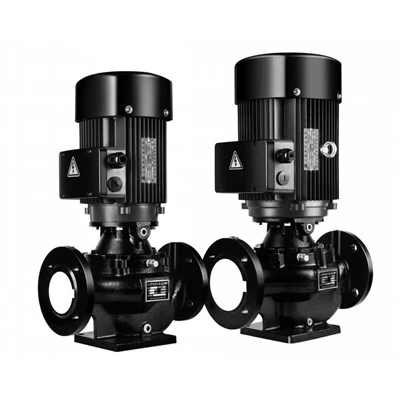
If you’re running a property, industrial site, or even a small commercial complex with a vacuum assisted pump station (VAPS), you know how critical this piece of equipment is to keeping wastewater flowing smoothly. I’ve been in the VAPS supply game for 12 years now, and I’ve lost count of how many clients reach out panicking because their station just stopped working—often after they brushed off small, easy-to-miss signs that it was failing. The worst part? A lot of folks don’t know what to look for until they’re staring at a raw sewage backup, a service bill that’s 3x higher than normal, or code compliance fines they never saw coming. Vacuum Assisted Pump Stations
Let’s cut the jargon here, because I know you don’t have time to sift through technical manuals. These are the real, everyday signs our team and our clients spot that signal a VAPS is on its way out—and what you can do before it turns into a full-blown disaster.
First up, something you’ll probably notice before anything else: weird, gurgling drains and slow flushes. I don’t mean a little delay when you’re running a washing machine and flushing a toilet at the same time—that’s normal. I’m talking about that constant, annoying gurgle that doesn’t go away, even when you’re not using multiple fixtures. Last quarter, a café owner came to me saying their customers complained every day about the toilets “making strange noises” during business hours. He waited 6 days to call, and by then, his station had broken so bad that sewage backed up into his kitchen—he lost 3 days of sales and paid a $1,200 local health code fine. That gurgle isn’t just a plumbing quirk. For vacuum assisted systems, that’s air leaking where it shouldn’t. VAPS rely on a tight, pressurized (or vacuum, depending on the setup) line to pull wastewater through. If you’re hearing gurgles, that’s a sign the seals around the pump, the pipe connections, or the float valve are wearing out. Small leaks let air escape, which means the system can’t build enough suction to move waste. Before you know it, those small clogs turn into full backups because the pump can’t clear the line fast enough.
Next on the list: weird smells that won’t quit. I’m not talking about that faint sewage smell you get after a heavy rain—every property has that, it’s normal. I’m talking about a strong, persistent, chemical-like rotten-egg smell that lingers near your utility closet, the basement, or the area where your VAPS is installed. A lot of people write this off as a septic issue, but if you have a vacuum assisted pump station, that’s usually a red flag the system is failing. Here’s why: when a VAPS is working right, it traps sewer gases in the sealed lines, so they never reach the surface. If the station’s pump isn’t cycling properly, or the check valve (the one that keeps waste from flowing back into your lines) is broken, those gases escape. Another thing we see: if the vacuum tank in your station is full of sludge or buildup, that can also cause lingering smells even if the lines are intact. Last year, an apartment building manager told me he thought a pipe under the building had cracked, so he called a plumber to dig up the entire front yard. Turns out his VAPS tank was 80% full of accumulated solid waste, and the system couldn’t pull it out fast enough, leading to constant gas leaks. That $30k yard dig? He could’ve avoided that if he’d noticed the smell first.
Then there’s the pump cycling way too much—or way too little. Every VAPS has a normal cycle: it runs for a few seconds to build suction, then shuts off when it hits a certain level, then kicks in again when wastewater builds up. If you find your pump turning on and off every 2-3 minutes all day long, that’s a problem. That means the system is working way harder than it should, burning out motor parts 2x faster than normal. Why does that happen? Common issues: a faulty float sensor that can’t tell when the tank is full, or a leak in the vacuum line that makes the pump have to run nonstop to maintain pressure. On the flip side, if your pump is almost never running, and waste is pooling in the lines, that’s also a failing sign. We had a school client a couple years back who thought their pump was broken, only to find their sensor had been covered in dust and rust, so it never triggered the pump to turn on. By the time they noticed, waste had backed up into 4 classrooms, and they had to close for a weekend to clean it. Both over-cycling and under-cycling are easy to spot if you check your station’s control panel once a week, something I tell all our clients to do.
Another one that’s easy to miss: higher utility and service bills. I don’t mean the normal annual increase in electricity or service costs. I’m talking about a 20-30% jump out of nowhere with no changes to your water usage. Because a failing VAPS is working overtime—running longer cycles, straining to build suction, needing more frequent repairs—your electricity bill will spike, and service calls will get more expensive. Let’s be real: if you have to call a technician every other month instead of twice a year, that’s a sign something’s wrong. A small restaurant I work with noticed their electric bill went up $400 in 3 months, and they thought it was a new fridge. Turns out their VAPS pump was 5 years old, and its impeller (the part that moves the waste) was worn down, so it was using 30% more power to do the same job. That’s the kind of small, expensive sign that people ignore until it’s too late.
Weird noises during operation—grinding, rattling, or high-pitched squeals. If you’ve ever heard a vacuum assisted pump working, it should be a low, steady hum. If you’re hearing grinding or rattling, that’s almost always solid waste or debris getting stuck in the pump’s impeller or the check valve. Over time, that debris can scratch or break parts, leading to more serious damage. A high-pitched squeal? That’s a vacuum leak, which we talked about earlier, but it can also mean the pump’s motor bearings are wearing out. Last year, a warehouse client told me they ignored the grinding noise for 2 months, and eventually the impeller broke entirely, costing them $15k in parts and labor, plus 2 days of downtime while we installed the replacement. If you hear a noise that’s out of the ordinary, don’t brush it off—your pump is trying to tell you something’s wrong.
And finally, code compliance violations. Local health departments and building codes have specific rules for wastewater systems, including VAPS. If you’ve gotten a notice for “insufficient wastewater flow” or “sewer gas emissions,” that’s usually because your VAPS is failing. Most of the time, the department will give you a grace period to fix it, but if you don’t act fast, they can fine you hundreds or even thousands of dollars, or force you to shut down part of your property. A small town hall we supply got a $2,500 fine last year because their VAPS tank was full and not pumping waste out, leading to sewage backing up into a street. They could’ve avoided that if they’d replaced the pump before it failed, which would’ve cost a fraction of the fine.
Now, let’s be clear: not every sign means your entire VAPS needs to be replaced. A lot of the time, these are fixable issues—like a new seal, a cleaned tank, or a calibration of the float sensor. But the key is to catch these signs early, before they turn into major repairs or replacements. If you’re noticing any of these red flags, don’t wait until you have a full backup or a huge bill to reach out.
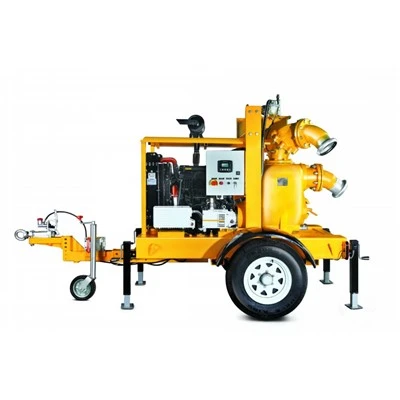
I’ve been supplying vacuum assisted pump stations for years, and I’ve seen firsthand how small, ignored signs can turn into huge headaches. Our team works with all kinds of properties—cafés, apartments, schools, warehouses, small towns—and we don’t just sell you a system. We help you inspect, maintain, and replace parts before they fail, so you don’t have to deal with the mess that comes with a broken VAPS. If you’re seeing any of these signs, or you just want to make sure your system is in good shape, reach out to our team to chat through your needs. We can walk you through what’s going on, give you a transparent quote for parts or a new system, and make sure it fits your budget and your timeline. Don’t wait for a backup or a fine—let’s get your VAPS working smoothly before it’s too late.
Mobile Pump Stations References:
- Water Environment Federation. (2021). Vacuum Assisted Pump Stations: Operation and Maintenance Guidelines.
- National Association of Clean Water Agencies. (2022). Commercial Wastewater System Failure Signs and Prevention.
- International Plumbing Code. (2023). Chapter 8: Wastewater Pumping Systems.
Hangzhou Nanfang Ouke Pump Industry Co., Ltd.
As one of the most experienced vacuum assisted pump stations manufacturers in China, we have world-leading production equipment and strong manufacturing capabilities. Please feel free to wholesale bulk customized vacuum assisted pump stations from our factory. Welcome to contact us for pricelist.
Address: No.46, Renhe Subdistrict, Yuhang District, Hangzhou City
E-mail: Gy656169@outlook.com
WebSite: https://www.oukegroup.com/
