Hey there, if you’ve ever typed “how much does a threaded cutter cost” into Google, you know it’s not a one-size-fits-all answer. As a threaded cutter supplier who’s been in this game for over 8 years, I hear this question at least 10 times a day—from hobbyists making one-off parts to big manufacturing shops stocking 50 different sets at a time. Let me break this down like I would to my regulars, no fancy jargon, just real talk. Threaded Cutter
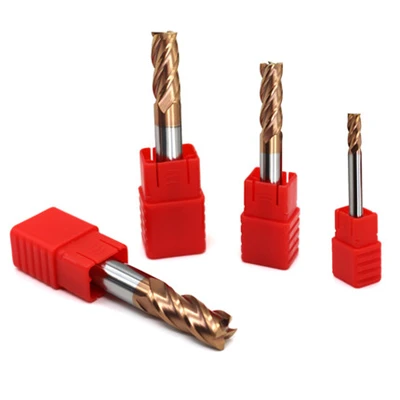
First off, let’s get one thing straight: a “threaded cutter” is a super broad term. Some people mean the tiny, hand-held ones for fixing stripped bolts in a garage, others are talking about massive, industrial ones that cut threads into steel pipe on a construction site, and some even refer to the rotating tools used in CNC machines for precision parts. Each of these has totally different price points, so that’s why Google gives you like 10 million random results when you search that question.
Let’s start with the entry-level stuff—what I call the “hobbyist and occasional use” tier. If you just need a set to fix a few bolts around the house or make small projects in your home workshop, you’re looking at $10 to $50 total. These are the ones usually sold at home improvement stores, made of high-speed steel (HSS) that’s decent for soft metals like aluminum, brass, or even mild steel, but they’ll dull fast if you push them too hard. I’ve seen guys buy a $12 set at Home Depot, use it on a 1/2-inch steel bolt, and then come back a month later asking why their threads are all mangled. That’s the thing—you get what you pay for here. If you’re only using it once or twice a year, this is fine, but don’t expect it to last more than a couple of jobs.
Next up is the mid-range, or “small business and light industrial” tier. This is where most of my customers land—little fabrication shops, plumbing companies, auto repair garages that use these cutters a few times a week, not just once a month. Here, prices jump to $50 to $300 per cutter (or set, depending on size/material). These are still HSS, but they’re precision-ground, so the threads are consistent, and they last way longer—like, if you take care of them, a set can last a year or more, even with regular use. We also offer coated options here, like titanium nitride (TiN) coating, which makes them more resistant to heat and wear, so you can run them faster without them dulling. Last month, a local plumbing company bought 8 of these mid-range cutters for $180 each, and they told me they haven’t had to replace any in 3 months, which is way better than the cheap ones they were buying before.
Then there’s the big dog—“heavy industrial and CNC machine” tier. This is for folks working with super tough materials: stainless steel, hardened steel, titanium, even Inconel for aerospace parts. These cutters aren’t HSS anymore—they’re made of solid carbide, which is way harder, and often have multi-layer coatings like AlTiN that can handle way higher heat from high-speed cutting. Prices here? They start at $300 and can go all the way up to $2,000 or more per cutter, depending on size, material, and precision. I sold a 1-inch solid carbide threaded cutter last quarter to a defense contractor for $1,200, and they said it cut 500 threads into hardened steel without even a hint of wear. The $50 ones? They’d have burned out after 10 threads max. The trade-off here is that these are specialized, so you can’t use them for small jobs—they’re built for production, not occasional use.
Wait, but there are other factors that affect the price too, right? Let’s talk about size and thread count. A tiny 6-32 thread cutter for small electronics parts is way cheaper than a 4-inch cutter for large pipe threads. Same with the number of threads per inch—more threads mean more precision in the cutting tool, so higher cost. Material is a big one too—like I said, carbide is way pricier than HSS, but worth it for tough materials. Also, custom orders: if you need a cutter for a weird, non-standard thread size, we have to grind it specifically, so that adds another 20-50% to the price, because it’s not a stock item.
Oh, and don’t forget about brand vs. no-name. I’ve had customers come to me complaining that their $20 threaded cutter from Amazon only worked for one job, and when I looked at it, it was made of cheap, low-grade steel that was barely heat-treated. Our mid-range cutters aren’t the most expensive out there, but we test every single one to make sure the threads are straight and the edges are sharp—no burrs, no misaligned cuts. That’s why some people are willing to pay a little more for consistent results. I’d rather sell you a $100 cutter that lasts a year than a $20 cutter you have to replace every week, even if it means I make less per sale.
Another thing a lot of people don’t think about: bulk discounts. If you’re a shop that needs 10 or 20 cutters a month, we can hook you up with 15-20% off, no question. We also have rental options for guys who only need a big industrial cutter for one job—instead of dropping $1,500 to buy, you can rent it for a week for like $75, which saves you a ton of money if you don’t use it regularly.
I get it, price is a big deal, but you also don’t want to waste money on a cutter that’s not going to do the job. Last year, a guy came in panicking because his production line was down—he’d bought a bunch of cheap cutters online for $30 each, and they were all dulling after 5 parts. We sold him mid-range ones, and he was back a week later saying his line was running smooth and he’d saved money overall because he didn’t have to stop every hour to change cutters. That’s the real cost here—downtime. If you’re relying on these cutters to get work done, investing in a decent one is way cheaper in the long run.
At the end of the day, the right price for a threaded cutter is whatever matches your use case. If you’re a hobbyist fixing a few bolts, get the cheap one. If you’re a small shop running jobs a few times a week, go mid-range. If you’re working with tough materials or CNC production, go industrial. The worst thing you can do is buy a $10 tool for a $1000 job—it’ll let you down every time.

If you’re not sure what you need, hit me up. I don’t push the most expensive cutter just to make a sale—I ask questions: what material are you cutting? How often do you use it? What size threads do you need? Then I’ll give you the honest breakdown of what’ll work best, and at what price. No hidden fees, no bait-and-switch, just straight talk. Let’s connect and figure out the right threaded cutter for your needs.
Carbide Pilot References:
- Machinery’s Handbook, 31st Edition, Industrial Press Inc., 2020
- High Speed Steel vs. Carbide Cutting Tools: A Performance Comparison, Cutting Tool Engineering Magazine, 2022
- Industrial Threading Tool Cost Analysis, Fabricators & Manufacturers Association, International, 2021
Kunshan Zhiyi Dingli Cemented Carbide Tool Co., Ltd.
We are one of the most professional threaded cutter manufacturers and suppliers in China, also support customized service. We warmly welcome you to wholesale high quality threaded cutter made in China here from our factory. If you have any enquiry about cooperation, please feel free to email us.
Address: No.80 Chuangfu Road, Qiandeng Town, Mondragon Industrial Park, Kunshan City, Suzhou, Jiangsu, China.
E-mail: 2060056236@qq.com
WebSite: https://www.kszydl.net/
